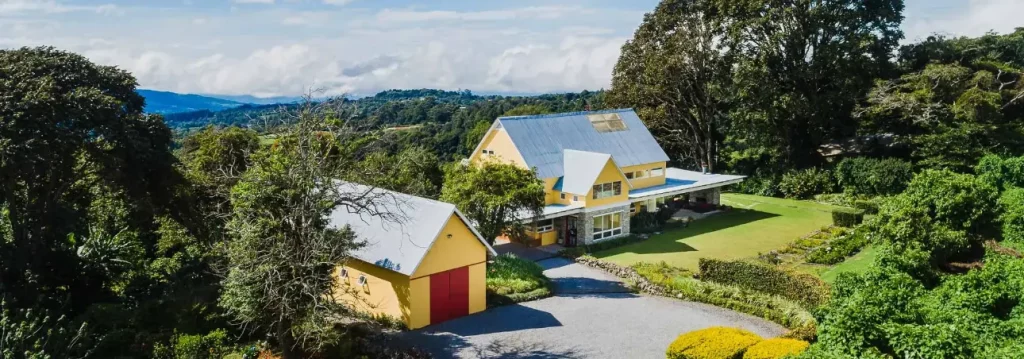

You find a home in Panama that you love. The property is titled, the seller is ready to move forward, and everything appears straightforward.
Then, during due diligence, you discover something unexpected: the land appears in Panama’s Public Registry, but the house does not.
This does not necessarily mean there is a problem with the property or that the transaction cannot move forward. It usually means the construction has not yet been formally recorded through what is known in Panama as a Declaration of Improvements, or Declaración de Mejoras.
For buyers, understanding what this means – and how the transaction should be structured – is important.
What is a Declaration of Improvements?
When a house or other construction is built on a registered property (finca) in Panama, the construction may need to be formally incorporated into the property’s registered information.
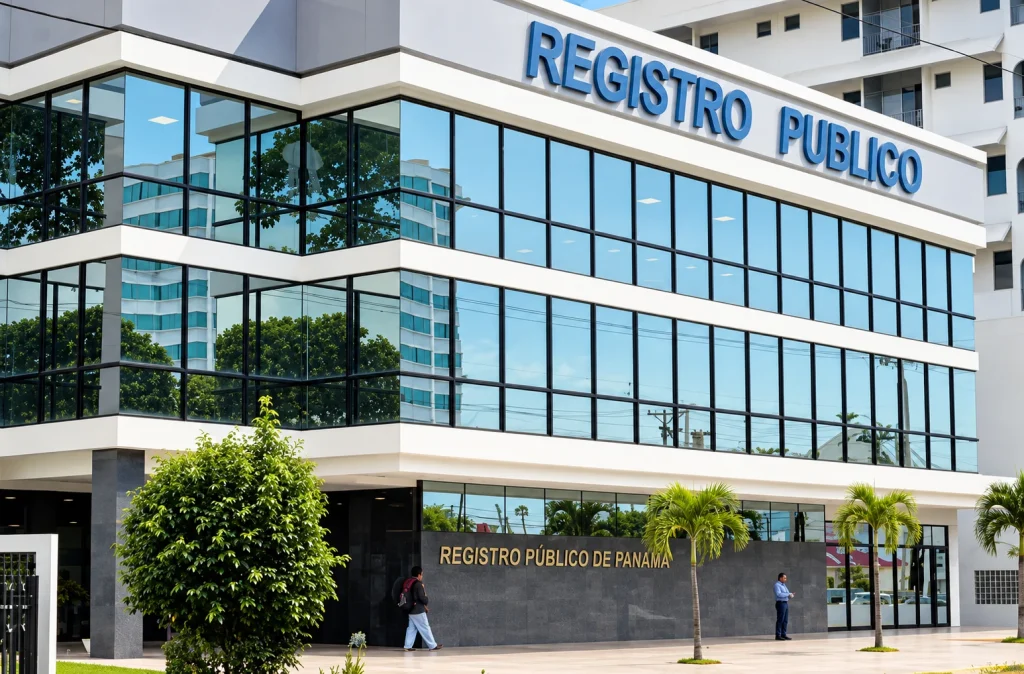
The Declaration of Improvements is made through a public deed and registered with Panama’s Public Registry (Registro Público). It records information about the construction, such as its description, built area and declared value.
Until this process is completed, the Public Registry may reflect the land without showing the home or other improvements that physically exist on it.
This situation is not necessarily a reason for a buyer to walk away from a property, but it is something that should be identified and addressed as part of the transaction.
How are improvements declared?
For a properly permitted construction, the process generally involves several steps.
The owner obtains the appropriate construction permits and approved plans from the municipality. Once construction is completed, an Occupancy Permit (Permiso de Ocupación) is typically obtained from the municipal engineering office, along with any other required approvals.
A Panamanian attorney can then prepare the public deed declaring the improvements, supported by the appropriate plans, permits and documentation.
The deed is submitted to the Public Registry, which reviews the documentation and, once accepted, records the improvements as part of the property.
One issue that can complicate the process is when the home that was actually built does not match the approved plans. Additional rooms, different square footage, setback issues or other modifications may need to be addressed before the declaration can be completed.
Older properties may present different circumstances, particularly when permits or other historical documents are incomplete. These situations should be reviewed individually by a qualified Panamanian attorney.
Does this need to happen before signing a Promise of Purchase and Sale?
Not necessarily.
This is an important distinction for buyers.
The improvements can potentially be declared after the Promise of Purchase and Sale is signed but before the property is transferred. This gives the seller time to complete the declaration as part of the closing process.
Another possibility is for the Declaration of Improvements and the sale to be incorporated into the same public deed, commonly referred to as a Declaración de Mejoras y Compraventa. The Public Registry can then process the declaration of the improvements together with the transfer of the property.
The fact that the improvements are not yet registered at the time the Promise is signed does not, by itself, determine whether a transaction is properly protected.
What matters is how the transaction is structured.
What should buyers pay attention to?
If you are purchasing a home whose improvements have not yet been registered, this should be specifically addressed in your due diligence and purchase agreement.
Your Panamanian attorney may recommend protections such as:
- Requiring the seller to complete the Declaration of Improvements as a condition of the transaction.
- Establishing who is responsible for the costs associated with the declaration.
- Setting an appropriate timeline for completing the process.
- Protecting purchase funds through an escrow arrangement or other closing mechanism until the required registration has occurred.
- Establishing what happens if the improvements cannot be registered or the process takes longer than expected.
The appropriate structure depends on the particular property and transaction, which is why independent legal advice is important.
What are the potential risks?
The primary concern is not simply that the improvements are undeclared. The more important question is whether they can be successfully declared and registered.
For example, the seller could encounter difficulties obtaining required documentation because the existing construction differs from approved plans. The Public Registry may also issue observations that need to be corrected before registration can proceed.
These issues can delay a closing.
If improvements ultimately cannot be registered, the property’s registered information may continue to reflect only the land rather than the home that exists on it. This can create complications with financing, insurance and a future resale.
Identifying these issues early gives the buyer and seller an opportunity to address them before the transaction reaches closing.
What documents should buyers request?
When undeclared improvements are discovered, buyers should discuss the situation with their attorney as early as possible.
Depending on the property, it may be useful to review documents such as the construction permit, approved plans, Occupancy Permit and other records relating to the construction.
For an older home where some of these documents may not be readily available, the buyer’s attorney can determine what documentation exists and what may be required to complete the declaration.
What about property taxes?
Registering improvements can affect the property’s registered and taxable value.
The actual tax consequences depend on the property’s circumstances, including its value, use and any exemptions that may apply. There can also be tax considerations associated with the eventual transfer of the property.
For this reason, buyers and sellers should have their attorney or tax adviser confirm the applicable tax treatment and responsibilities before closing.
The Bottom Line for Buyers
Discovering that a home’s improvements have not yet been declared can sound alarming, particularly for buyers who are unfamiliar with Panama’s property registration system.
But undeclared improvements do not automatically mean that a property cannot be purchased or that a buyer must wait until the entire declaration process is finished before entering into a Promise of Purchase and Sale.
The important questions are whether the improvements can be properly registered, what documentation is available, how the purchase agreement addresses the declaration, and how the buyer’s funds are protected until the transaction is successfully completed.
Every property is different, and the appropriate structure should be reviewed by a qualified Panamanian attorney.
At Casa Solution, we regularly help buyers navigate the practical side of purchasing property in Panama and coordinate with the attorneys involved in the transaction so that everyone understands the steps required to reach closing.
This article is provided for general informational purposes only and does not constitute legal or tax advice. Property registration procedures, municipal requirements and tax treatment can vary depending on the property and may change over time. Buyers and sellers should obtain advice from a qualified Panamanian attorney regarding their specific transaction.