
Panama Moves Forward With Metro Line 3
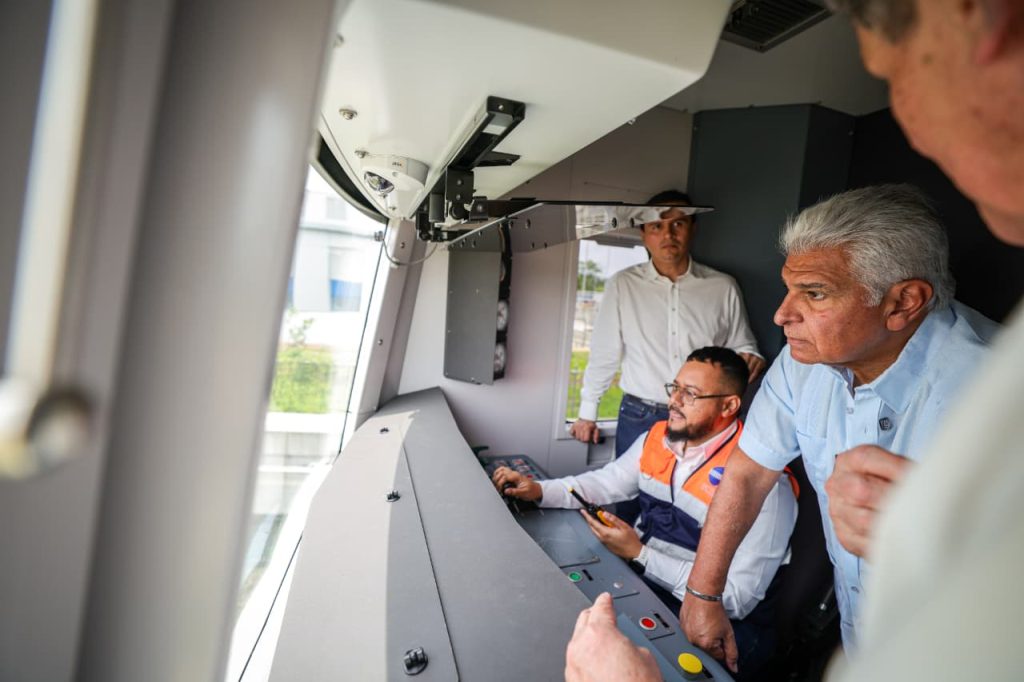
Panama’s Metro Line 3 has reached 77% overall progress, marking an important step forward for one of the country’s most ambitious public transportation projects. President José Raúl Mulino recently completed a test ride on the new monorail system, which is expected to begin operations in 2028.
The project is designed to connect Panama Oeste with Panama City, offering a modern transportation alternative for thousands of people who currently face long and exhausting daily commutes.
A Major Relief for Panama Oeste
For many residents of Panama Oeste, traffic is not just an inconvenience. It is part of daily life. Thousands of workers travel each day between their homes in areas such as Arraiján and the capital, often sitting in dense bumper-to-bumper traffic for hours.
The new Metro line is expected to significantly improve that experience by reducing travel times and offering a more reliable way to move between Panama Oeste and the city. For families, workers, students, and everyday commuters, this could mean less time on the road and more time at home.
Strong Progress Across the Project
According to the government, the elevated section of Line 3 is now 85% complete, while the underground section has reached 66% progress. The tunnel below the Panama Canal, one of the most complex parts of the project, is now 90% complete.
Test runs are already being carried out while work continues toward Albrook. These tests are important to make sure the system meets safety, efficiency, and reliability standards before it opens to the public.
Modern Trains With Japanese Technology
Once operational, Metro Line 3 will run with 26 Japanese-technology monorail trains. Each train will have six cars and capacity for up to 1,000 passengers.
The system is being built to move large numbers of people efficiently, with space for standing passengers and seating throughout each car. It represents a major modernization of Panama’s public transportation network.
Better Accessibility for the Country
For expats and visitors, this project is also important because it reflects Panama’s continued investment in infrastructure and accessibility. The heavy traffic between Panama City and Panama Oeste affects not only local commuters, but also anyone traveling toward the interior of the country.
By helping reduce pressure on one of the busiest traffic corridors in Panama, Line 3 can make movement through the country easier, more organized, and more efficient.
A Step Toward a More Connected Panama
Metro Line 3 is more than a transportation project. It is a quality-of-life project for thousands of people who depend on this route every day.
As Panama continues to grow, projects like this show the country’s effort to modernize its infrastructure, improve public services, and create a more connected future for residents, workers, families, and visitors alike.