

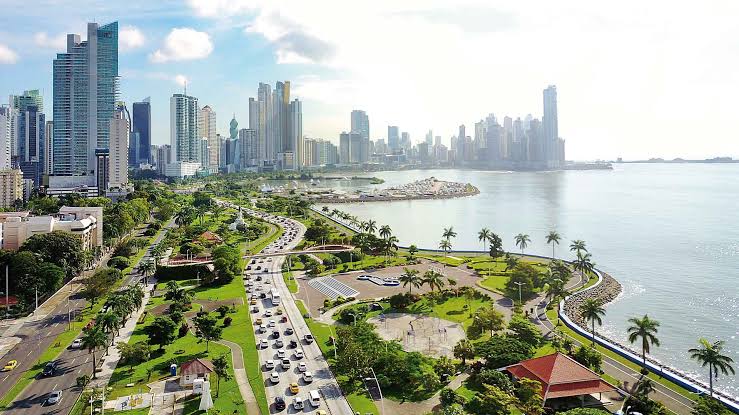
Article written: October 1, 2026
What happens to a country’s economy after it leaves the EU tax-haven list? The record from Costa Rica, the United Arab Emirates and Mauritius points to one answer. Leaving the list does not, by itself, bring a wave of new investment. It removes a cost and an objection. The countries that gained the most already had a clear reason for investors to come, and they promoted it hard as soon as the list came off.
Panama is expected to be removed from the EU’s list of non-cooperative tax jurisdictions at the EU finance ministers’ meeting in October 2026. Here is what other countries’ experience suggests could follow, why the timing matters given Panama’s weak investment numbers, and how buyers and investors can prepare.
Why Does the EU List Matter for Investment?
Panama has been on Annex I of the EU list, the “non-cooperative” blacklist, since February 18, 2020. Being on the list is not only a matter of reputation. EU member states have agreed to apply at least one of four defensive measures against listed jurisdictions:
- Non-deductibility of costs paid to companies in the listed country
- Controlled foreign company (CFC) rules that tax the listed company’s profits in Europe
- Higher withholding taxes on payments sent to the listed country
- Limits on the participation exemption for dividends received from it
For a European company, using a Panamanian subsidiary, regional office or holding structure has meant more tax and more paperwork. Many corporate boards simply rule out listed jurisdictions.
Panama’s answer was Law 526 of 2026, the economic substance law. Multinational group entities that earn foreign passive income must now show real operations in Panama or pay a 15% tax on that income.
How Far Behind Costa Rica Is Panama on Foreign Investment?
The timing matters because Panama’s foreign direct investment (FDI) has weakened sharply. Costa Rica, which left the same EU list three years ago, is pulling ahead.
| Indicator | Panama | Costa Rica |
|---|---|---|
| FDI, first half of 2026 | $792.4 million | $6.216 billion (about $2.74 billion excluding Heineken’s purchase of FIFCO) |
| FDI, full year 2024 | $2.454 billion | $5.114 billion |
| Reinvested earnings as share of FDI | 73% (first half of 2026) | About 85% (2025) |
| Status on EU tax list | Annex I since February 2020 | Removed October 17, 2023 |
The headline comparison needs one caveat. About $3.25 billion of Costa Rica’s first-half total came from a single deal: Heineken’s acquisition of FIFCO’s food and beverage business. Even without it, Costa Rica’s FDI grew 23.4% and was more than three times Panama’s.
Panama’s mix is also a concern. Of its $792.4 million, $578.5 million came from reinvested earnings of companies already in the country. New equity capital totaled just $1.1 million. In other words, almost no new foreign money came in as fresh capital.
What Happened to Costa Rica After It Left the List?
Costa Rica was added to Annex I in February 2023. It was removed on October 17, 2023, after passing Law 10.381, which changed how it taxes foreign-source passive income. That is essentially the same reform Panama has just made.
FDI then reached record levels. Costa Rica’s Ministry of Foreign Trade reports more than $5 billion a year in both 2024 and 2025. In 2025, 66.4% of FDI went to free trade zones, mostly medical device manufacturing. The United States supplied 54.8% of the money and Switzerland 19.7%. Real estate investment grew 20.2% and made up 6.9% of the total.
The lesson is not that leaving the list caused the boom. Costa Rica already had a strong reason to invest: its free trade zones and an established medical device cluster. Leaving the list meant European and Swiss parent companies no longer faced extra tax and paperwork when investing there.
What Happened to the UAE and Mauritius?
The United Arab Emirates was on the EU tax list for seven months, from March to October 2019. It was later on the FATF anti-money-laundering grey list from March 2022 to February 2024. In the first year after the grey-list exit, FDI rose from $30.7 billion in 2023 to a record $45.6 billion in 2024. That is an increase of about 49%, and it moved the UAE to 10th place worldwide in UNCTAD’s ranking.
Mauritius was grey-listed by FATF in February 2020 and removed in October 2021. The EU took it off its own high-risk list in January 2022. By 2023, inward FDI had reached a record MUR 37 billion (about $794.5 million), up 11%. Real estate was the biggest beneficiary. Property investment in the first three quarters of 2023 reached MUR 15.8 billion, compared with MUR 10 billion in the same period of 2022. Within that, government property schemes open to foreign buyers grew from MUR 7.5 billion to MUR 10.2 billion.
The two cases share a pattern. Each country already had a clear product to sell: Dubai’s business and residency platform, and Mauritius’s real estate programs for foreigners. Each pushed that product hard once the list was removed.
What Does the Research Say About Being Listed?
The strongest data comes from an International Monetary Fund study of 89 emerging and developing economies from 2000 to 2017. It focused on the FATF grey list, which works through the same channels of banking caution and compliance costs.
| Type of capital inflow | Average decline while grey-listed (share of GDP) |
|---|---|
| Total capital inflows | -7.6% |
| Foreign direct investment | -3.0% |
| Portfolio investment | -2.9% |
| Other investment (loans, banking) | -3.6% |
The authors, Mizuho Kida and Simon Paetzold, found a V-shaped pattern: inflows fall during listing and recover afterward. The EU tax list is a different instrument from the FATF grey list. Still, the mechanism is similar: banks and investors add a risk premium to listed countries.
Why Isn’t Leaving the List Enough on Its Own?
Panama’s own recent history shows this. The country left the FATF grey list in October 2023, and the EU removed it from its anti-money-laundering high-risk list in mid-2025. Yet FDI still fell sharply in 2025 from $2.454 billion in 2024, and the first quarter of 2026 brought in only $213.3 million.
The causes had nothing to do with lists. International license banks moved about $1.5 billion to their parent companies instead of reinvesting it. The Cobre Panamá mine closure removed a major investor. Business groups such as Apede pointed to slow procedures, high costs and weak investor confidence.
South Africa offers a similar warning. When it left the FATF grey list in October 2025, Investec reported that the rand and bond yields barely moved, because investors had already priced in the exit.
The takeaway: leaving the list makes investing in Panama easier. It does not, by itself, give investors a reason to come.
What Could Improve for Panama After Leaving the List?
Based on these precedents, here is where the effects are most likely to show up, and roughly when.
| Area | Likely effect | Timing |
|---|---|---|
| European corporate structures | EU member states lift defensive tax measures, so Panamanian subsidiaries and regional headquarters become viable again for European groups | Months after official removal |
| Banking and payments | Fewer compliance questions on transfers with European banks, smoother account opening and property closings for EU buyers | 6 to 18 months |
| Regional headquarters and services | Panama is easier to approve as a regional hub for logistics, legal, insurance and technology firms | 1 to 3 years |
| Real estate demand | Indirect gains through corporate relocations, executive rentals, office demand and European buyer confidence | 1 to 3 years |
| Sovereign and corporate financing | A smaller risk premium for Panama when combined with fiscal progress | Gradual |
Mauritius suggests that real estate can be one of the fastest channels. However, it usually follows corporate and banking activity rather than leading it.
How Can Buyers, Owners and Investors Prepare?
Focus on areas tied to corporate activity. If regional headquarters and European companies return, the first demand will likely come in business districts and the residential areas around them: Costa del Este, Obarrio, Punta Pacífica, Santa María and Panamá Pacífico. Watch for executive rentals and furnished apartments.
Market to European buyers again. Since 2020, some European investors have avoided Panama because of the listing. Developers and sellers can contact them again with clear legal documents, title history and transparent pricing.
Get your paperwork in order. Leaving the list reduces friction but does not end due diligence. Buyers with clear proof of funds, tax residency documents and clean company structures will benefit first from smoother banking.
Be realistic about prices. Leaving the list will not lift weak projects. It strengthens properties that already have good locations, legal clarity, infrastructure and real rental demand.
Watch the official decision. The removal is expected but not yet confirmed. It becomes official only when EU finance ministers approve the updated list.
The Bigger Picture
Costa Rica’s free trade zones, Dubai’s business platform and Mauritius’s residence programs each became easier to sell once their country left a list.
Panama has its own strengths: the Canal, the dollar, Tocumen’s air connections, a large banking center and a high quality of life. Leaving the EU list removes one of the last formal objections to that pitch. Whether investment follows will depend on how well Panama uses the moment.
Casa Solution Can Help
If you are considering a home, rental property or investment in Panama, Casa Solution can help you evaluate locations, legal structure, rental demand and long-term value. Contact our team to talk through your options.
This article reflects market analysis and general information, not investment, tax or legal advice. Past outcomes in other countries do not guarantee similar results in Panama. Consult qualified professionals before making investment decisions.