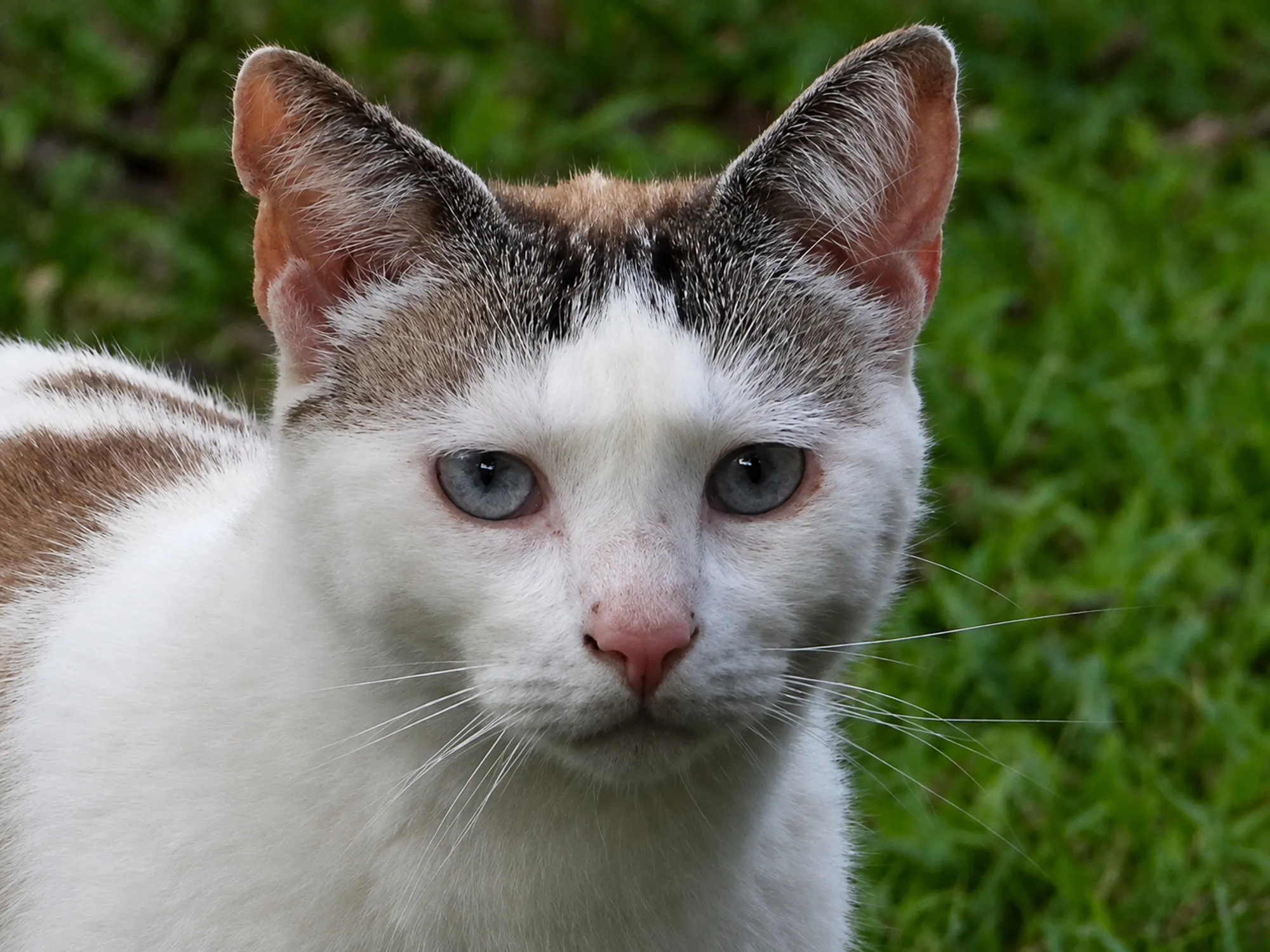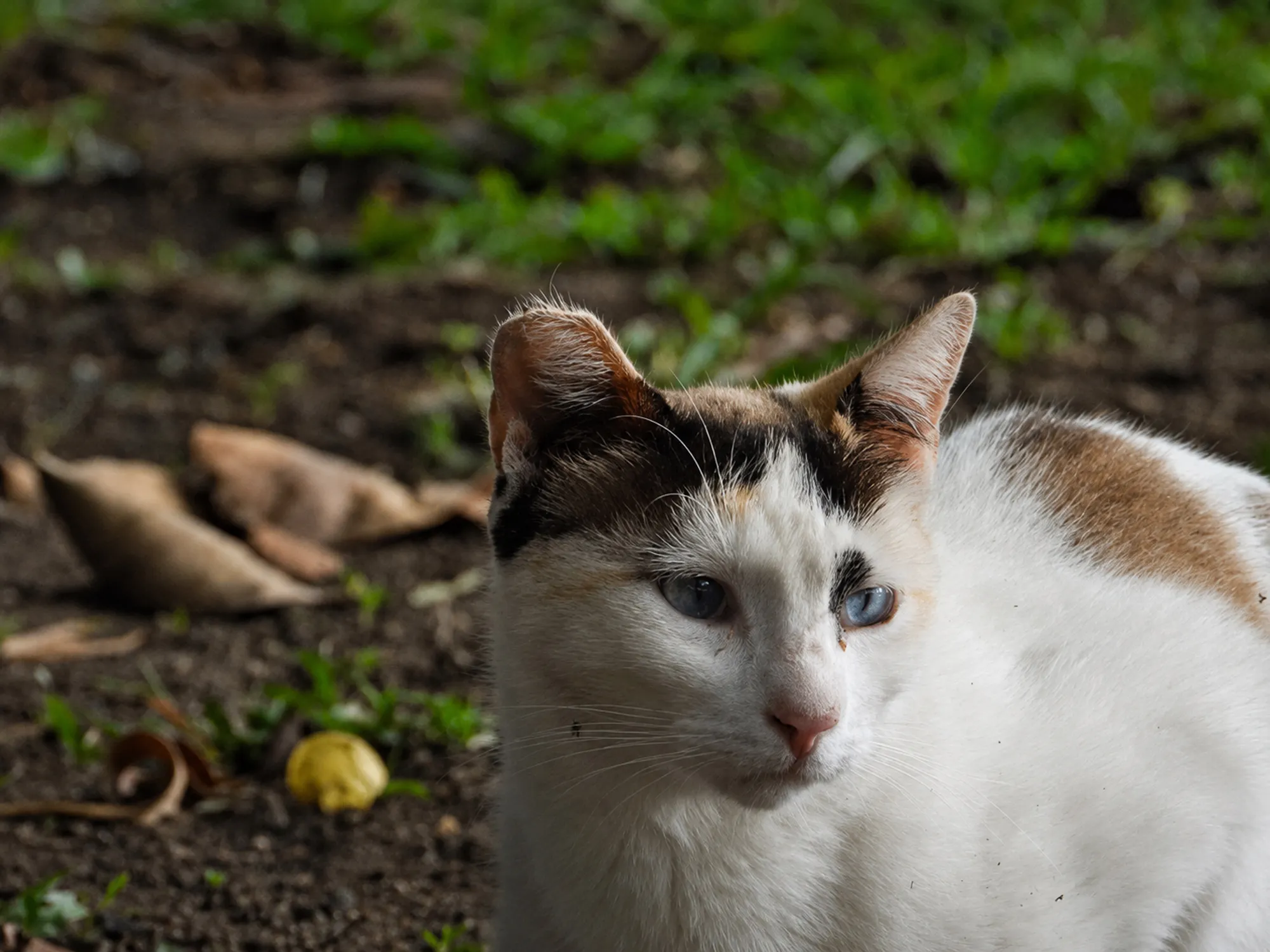

When Judy arrived in Boquete in 2003, she did not come to Panama to start a cat sanctuary.
She came with one suitcase of clothes, her computer, her cameras, and two cats. After years in corporate America, she was ready for a life that felt less defined by meetings, politics, and expectations. She was looking for adventure, challenge, and a place where life could feel open again. Panama gave her that.
Boquete, at the time, was a very different town from the one many people know today. There was no busy commercial rhythm, no broad range of shops, and no sense that the town was already on the international map. People tied their horses in front of Romero. Many residents did not own cars. Men walked with machetes in hand. The mountains were green, the roadsides were filled with flowers, and the entertainment was simple: dinners at friends’ homes, walks, rivers, conversation, and community.
For Judy, it was exactly the kind of life she had been looking for. Then came the cats.
A Rainy Night, Three Kittens, and the Beginning of Something Much Bigger
The beginning of Los Mininos Cat Sanctuary was not planned. It started with a phone call late one rainy night.
A fellow expat had found three very young kittens. Their mother had been poisoned, and the kittens were cold, hungry, and only about four weeks old. The woman wanted to help, but her dogs would not accept them. So, around 9:30 p.m., she brought the kittens to Judy’s home.
At that time, finding proper kitten supplies in Panama was not easy. There was no kitten milk formula available locally. Judy searched online, found a homemade formula recipe, and did what she could to keep them alive through the night. She knew cow’s milk could harm them, so she syringe-fed them warm water to keep them hydrated until she could shop for ingredients the next morning.
The kittens survived. More than that, they thrived, and they became family.
But in a small town, word travels quickly. Soon, people began bringing Judy cats and kittens. Some were left in her yard. Some were left in her car. What started as one act of emergency care became a steady stream of animals with nowhere else to go.
Eventually, she moved to a more remote property where she could care for the 16 cats that had already been “gifted” to her. But the need kept growing. Amigos de Animales began holding spay and neuter clinics, and many cats and kittens were abandoned there as well. Many ended up with Judy. Before long, she had 40 cats.
She rehomed as many as she could, but there was always another cat. Another call. Another case. Another animal that needed someone to say yes.
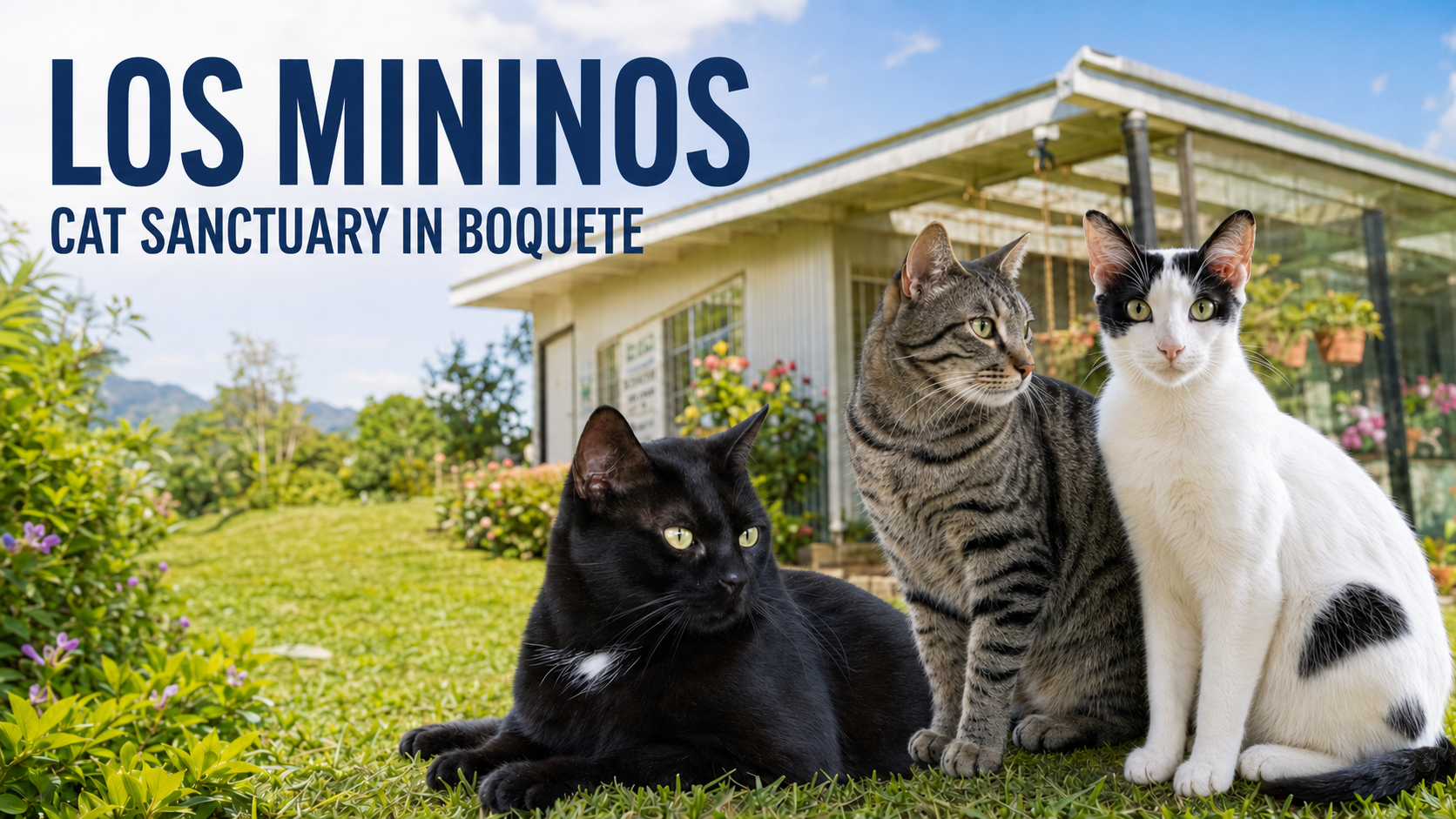
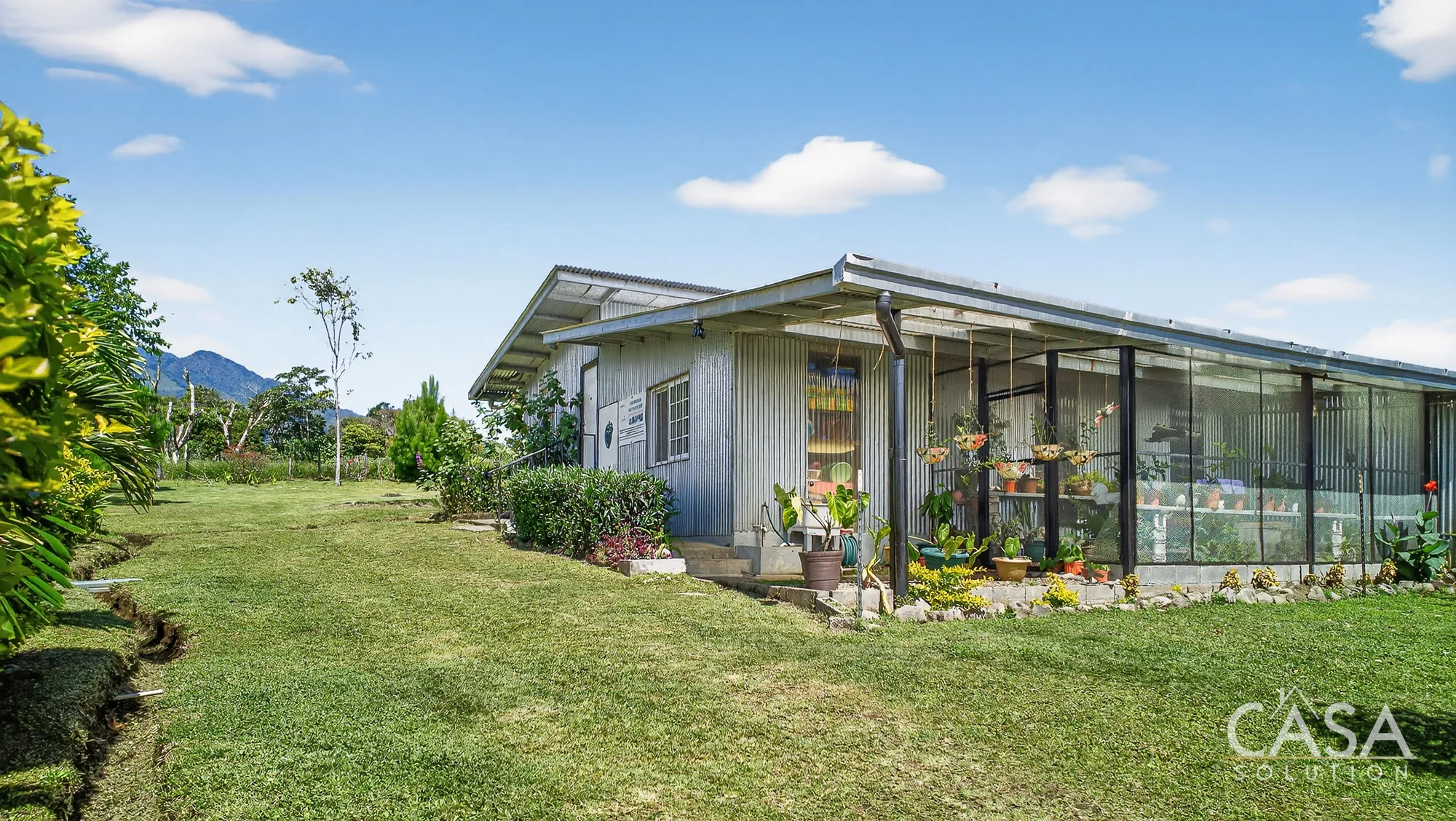
Several years later, she was able to purchase land and build what became Los Mininos Cat Sanctuary.
Boquete Changed. So Did the Way People Saw Cats.
When Judy first moved to Panama, cats were often not seen as pets in the way many residents understand them today. She remembers that local supplies for cats were limited, and attitudes toward them could be harsh. That has changed.
Over the past two decades, more people in Boquete have come to see cats as companions. A growing number of residents want to help street cats, while new rescuers continue to step forward. Organizations and individuals across the community are also contributing what they can, based on the time, space, and resources available to them.
Los Mininos is part of that wider shift.
It is not the only rescue effort in the area, and Judy does not present the work as something she does alone. In fact, one of the strongest parts of the story is the network around it: people who foster, transport, donate, adopt, share posts, visit, and help find homes.
Sometimes, Judy says, they work miracles. Sometimes they fail. But they keep going because the life in front of them still matters.
What Los Mininos Does Today
Today, Los Mininos is home to 47 resident cats. Nearly half are 10 years old or older.
Many of them are adoptable. Some would be especially good companions for retirees who may not want to take on a kitten that could live another 15 to 20 years. Older cats often already have established personalities, calmer rhythms, and a clear sense of what kind of home suits them.
Two years ago, Los Mininos stopped taking in new animals on a permanent basis. The reason was not lack of caring. It was reality.
The cost of running the sanctuary had increased sharply. Donations had dropped. Food, veterinary care, medication, vaccinations, sterilizations, parasite treatments, prescription diets, and dental care all became more expensive. Judy also had to be honest about the physical demands of the work.
Still, Los Mininos continues to help in important ways.
Instead of automatically placing new cats at the sanctuary, Judy now works with people to find the right solution for each cat. She uses social media, local contacts, and a strong network of cat advocates to help find permanent homes.
She also provides temporary long-term care in certain cases. If a cat is recovering from surgery, needs wound care, injections, physical therapy, or close monitoring, Judy may be able to care for the cat for a period of time. That kind of support can make a real difference for rescuers who might otherwise have to pay for extended hospitalization. It is quieter work than a dramatic rescue story, but it is often what gives a cat the chance to recover.
Adoption Is About Fit, Not Appearance
At Los Mininos, a cat is not placed for adoption until it is healthy and socialized.
Before going to a new home, the cat is tested for underlying health conditions, vaccinated, sterilized, and evaluated for dental needs. Judy often pays for these procedures before rehoming the cat. She does not charge adopters because she does not believe people should have to pay a fee to give a rescued animal a loving home. Donations, however, are always welcome and needed.
The screening process also matters.
Judy carefully evaluates potential homes because not every home is right for every cat. Some people imagine cat care one way, while the cat may need something very different. The goal is not simply to move a cat out of the sanctuary. The goal is to place the cat where it can truly live well.
Some cats are quiet couch companions. Others need activity and stimulation. Some want to curl up in a lap. Others prefer to supervise laundry, gardening, or daily routines from a careful distance. The right match depends on personality.
Because Judy knows the cats so well, she can help adopters find a cat that fits their home, energy, and expectations.
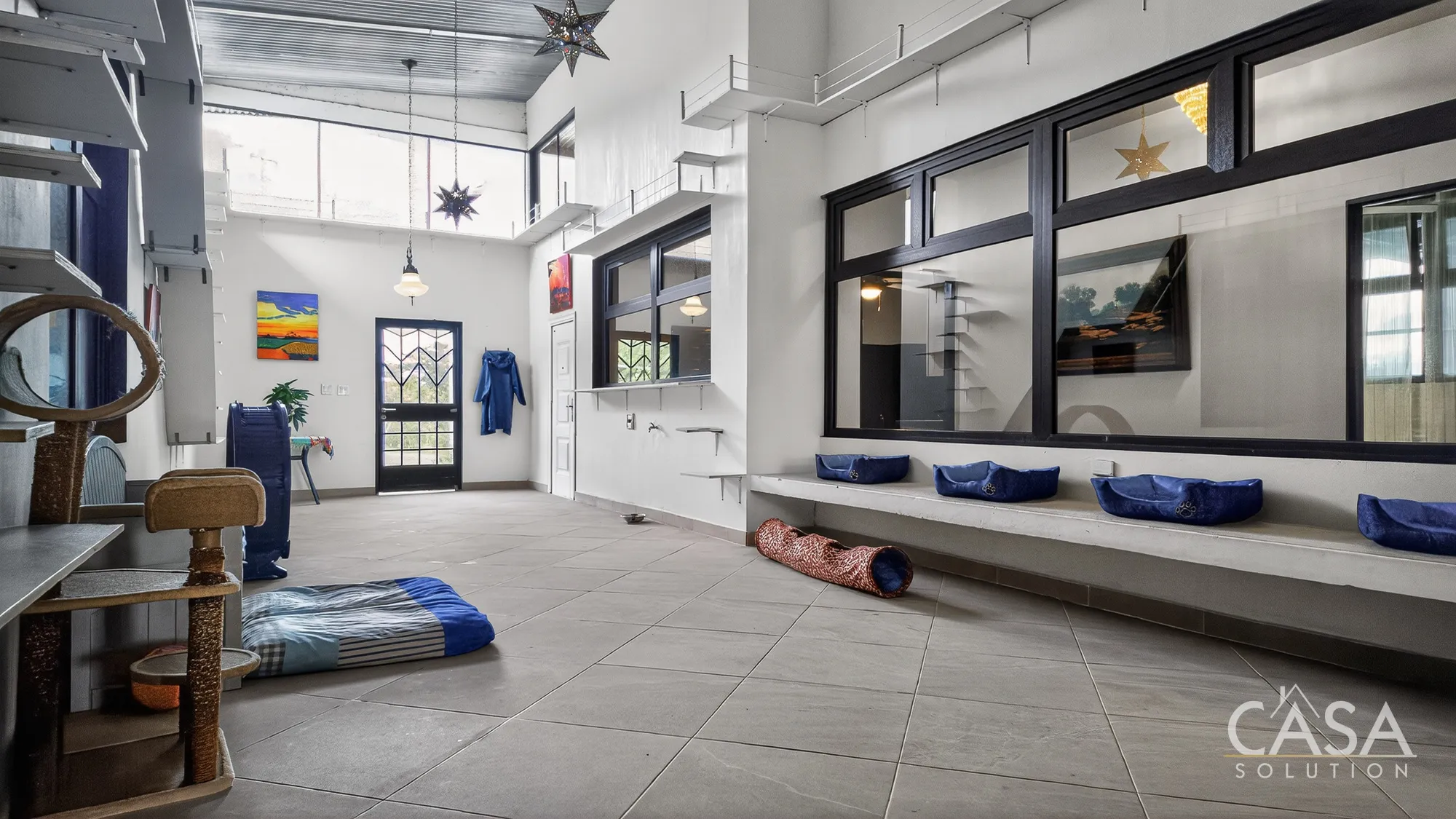
The Cat Hotel: A Small Project Helping Support a Bigger Mission
The Cat Hotel at Los Mininos grew out of necessity.
As donations became less reliable, Judy looked for another way to help cover the sanctuary’s expenses. She had a small apartment on the property that was not being used, so she turned it into a boarding space for cats.
It is not designed like a typical kennel. Cats from the same home have their own private room, furnished more like a house, with sofas, a bed, large windows, and a calmer setting.
The Cat Hotel offers boarding at low rates and can also help with special diets, medications, or physical therapy when needed.
For cat owners in Boquete, it provides a safe option when they travel or need temporary care. For Los Mininos, it helps support the daily expenses of the sanctuary.
It also gives Judy something she clearly enjoys: the chance to meet and care for guest cats whose owners are trying to do the right thing for them.
The Kind of Community Work That Does Not Always Make Noise
Los Mininos contributes to Boquete in a way that is difficult to measure. It is not only about the number of cats adopted or the number of animals treated. It is also about the example it sets.
Judy believes kindness has a ripple effect. When someone sees another person make a deliberate choice to help an animal, a neighbor, or the environment, it can make them pause and think about their own choices. That idea fits Boquete well.
Many people move here looking for a different pace of life. But the town is not only defined by its climate, views, coffee farms, trails, or international community. It is also shaped by the people who quietly give their time and resources to causes that matter.
Los Mininos is one of those places. It is practical, imperfect, expensive, demanding, and deeply human.
The Cats Who Stay With You
After so many years of rescue work, some stories stay close.
For Judy, one of those stories is Little Missy. Little Missy suffered a brain injury as a young kitten. The injury left her unable to control her movements, though her mind remained alert. Many people may not have believed she could have a good life. Judy saw something different. She saw a fighter.
Little Missy slowly learned to hold her head up, move her body, and eat on her own. Later, she learned to get around and even jump onto the sofa, though in what Judy describes as a wobbly fashion. They had 14 years together.
Little Missy became a reminder of perseverance. When Judy feels frustrated or worn down, she still thinks of her. If Little Missy could keep trying, so could she.
She also taught Judy something else: accepting help is sometimes the only way forward.
That lesson still feels important, especially in rescue work, where the need is always larger than what one person can carry alone.
What Los Mininos Needs Now
The sanctuary’s most important needs are adoptions and donations.
Many of the resident cats would make wonderful house pets, and finding them their own person would be the best possible outcome.
There are also cats at the sanctuary with special medical needs. Some require medication, physical therapy, or prescription diets. As the colony ages, those needs are becoming more common and more expensive.
Current needs include:
- Prescription cat food, especially hepatic, urinary, and renal formulas
- Monetary donations for food, veterinary care, medication, and ongoing sanctuary expenses
- New or gently used bath towels, sheets, and pillows, which can be left at La Granja in Alto Boquete
- Visitors who can spend time with the cats and help them become more comfortable and adoptable
A Note for Anyone Considering a Rescued Cat
Judy encourages people who are thinking about adoption to work with rescuers and ask the right questions.
Cats adopted through Los Mininos are tested, vaccinated, sterilized, and evaluated before going to a home. For anyone taking in a cat directly from the street, testing is especially important before introducing that cat to other cats in the household.
Feline leukemia virus is present in Panama, and it is serious. A cat should not be introduced to other cats without proper testing and care.
Adoption is generous, but it should also be responsible.
Meet Some of the Cats Looking for a Home
Behind the larger story of Los Mininos are individual cats, each with a distinct personality, rhythm, and sense of what home should feel like. Their personalities range from playful and independent to openly affectionate. Others need a little more time to build trust, but once they do, they quietly become part of everyday life.
For anyone considering adoption, here are a few of the cats currently looking for the right match.
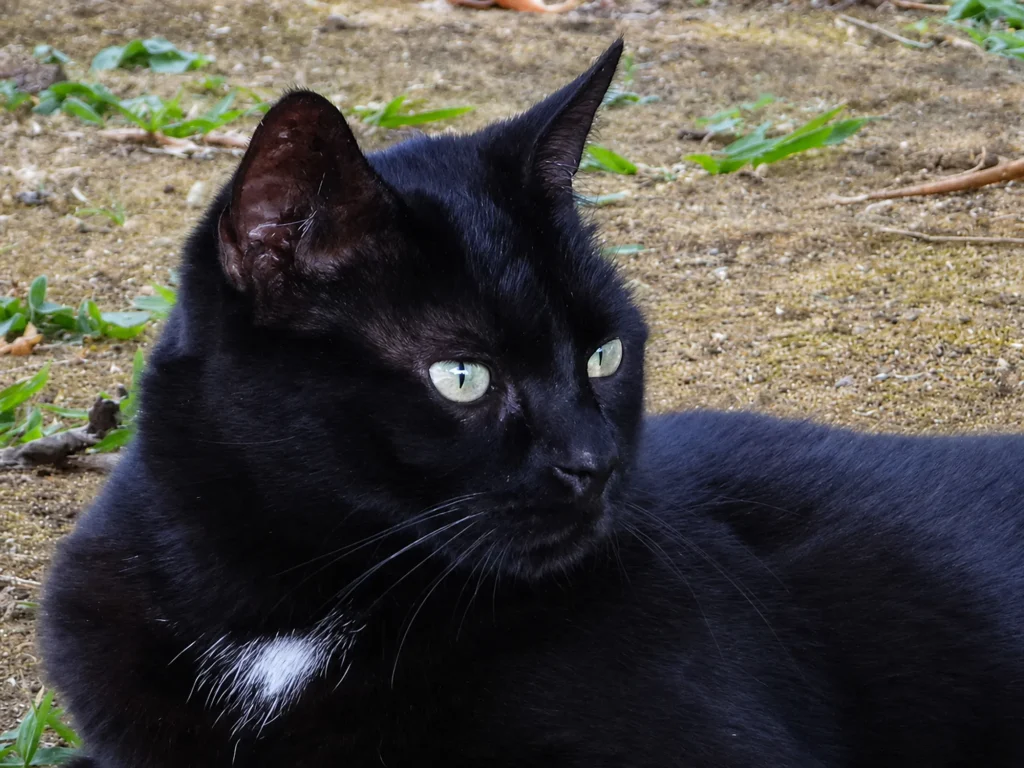
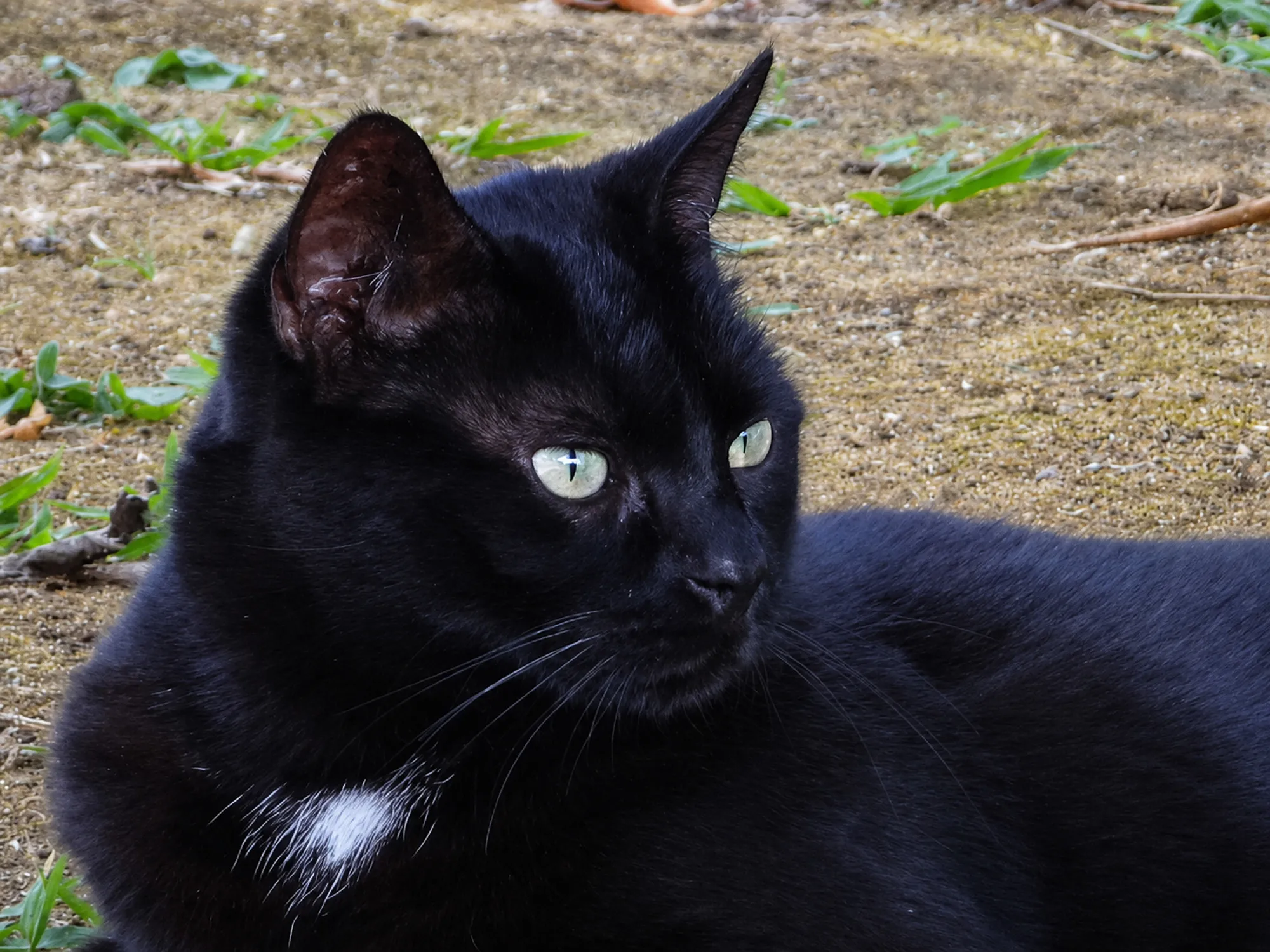
Lady Velvet
Lady Velvet is a striking 10-year-old black cat with a small white patch on her chest that looks very much like a diamond necklace. She carries herself like a cat who knows exactly how special she is, and honestly, she is not wrong.
She is spayed, vaccinated, healthy, and still full of presence. Lady Velvet tolerates other cats, but her ideal home would be one where she can be the only pet. She is the kind of cat who does not want to compete for affection. She would much rather receive the attention she believes is rightfully hers.
For someone looking for a beautiful, self-possessed companion with plenty of character, Lady Velvet may be the one.
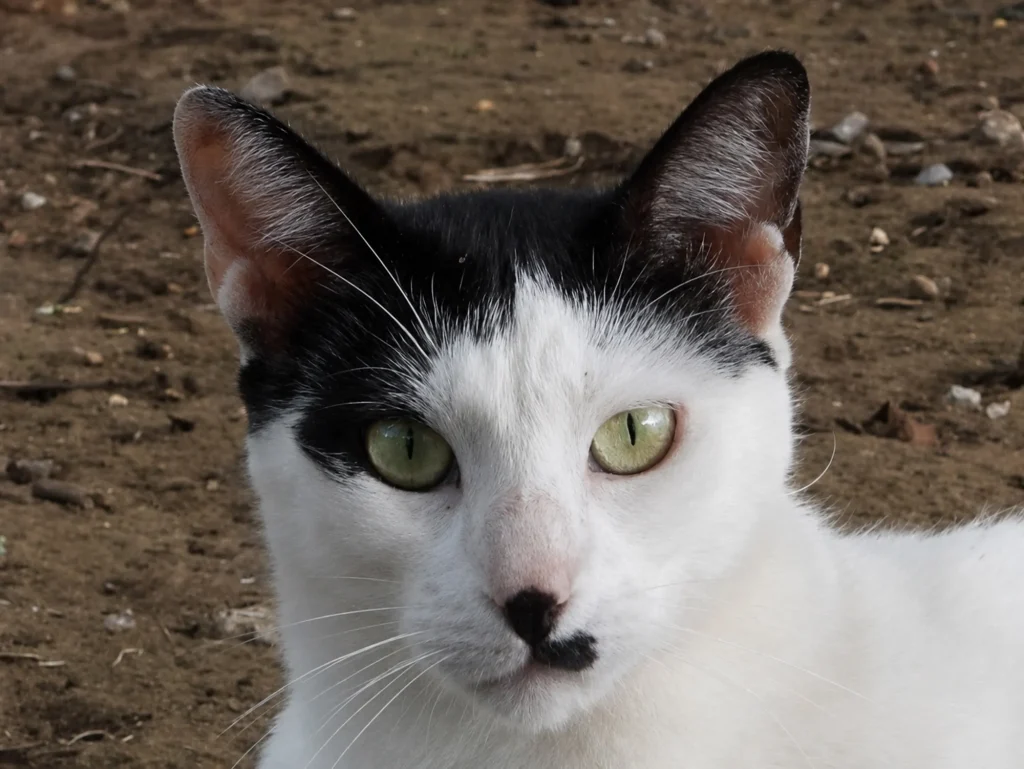
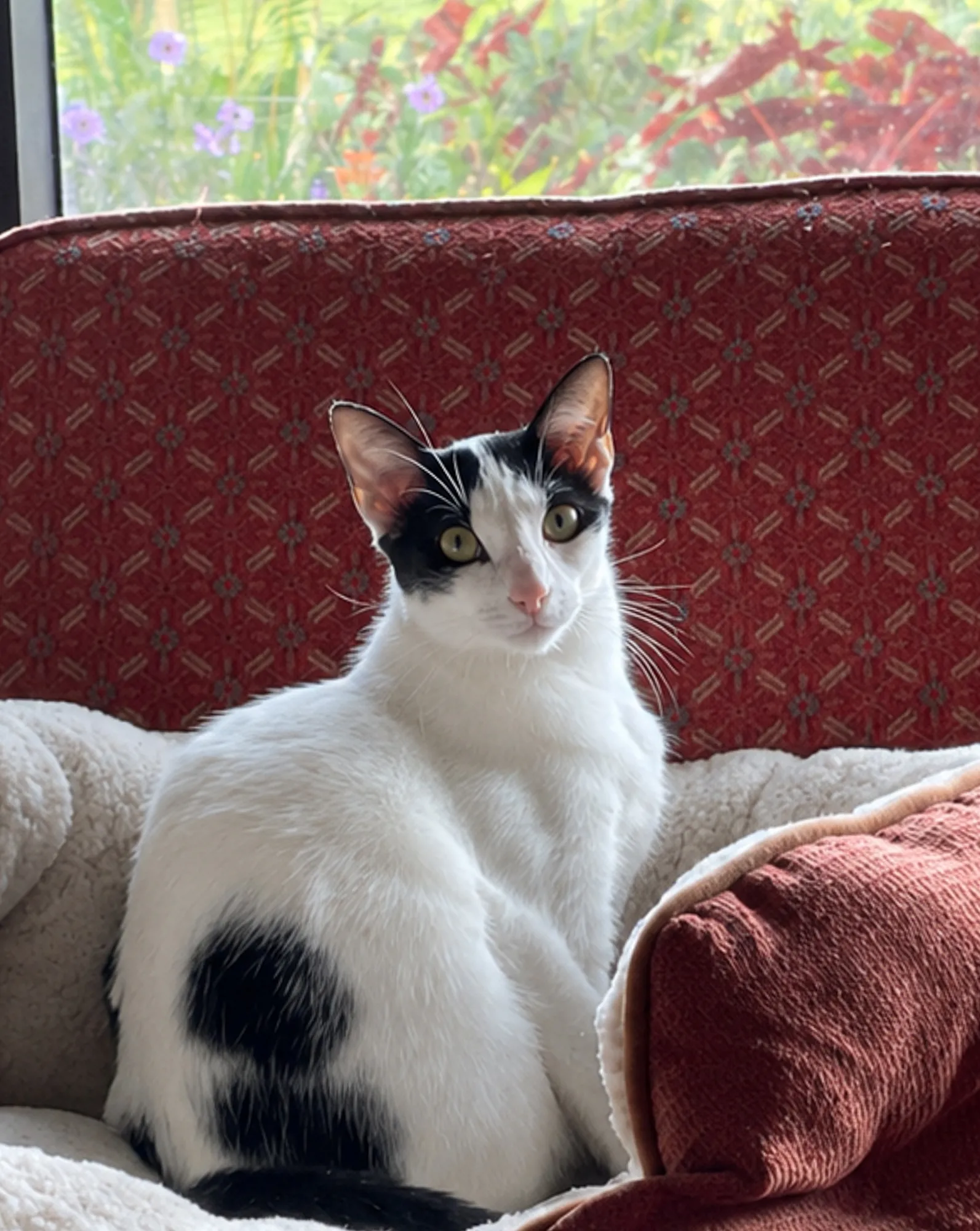
Selina Kitty
Selina Kitty is 5 years old, healthy, active, and full of confidence. Comfortable being herself, she gets along well with both cats and dogs, although she is selective about her friendships and clearly has her own standards.
Toys, playtime, and the occasional burst of zoomies bring out her playful side. Selina also enjoys affection without being overly clingy or demanding. She does not expect constant entertainment, but she certainly expects to be appreciated.
She is a fun cat with real personality, and she would do well in a home that enjoys an independent but engaging companion.
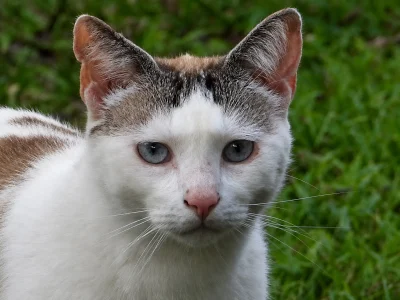
Peaches and Piper
Peaches and Piper are 5-year-old littermates and a bonded pair, which means they need to be adopted together. They are both sweet, affectionate cats who enjoy playing and moving about, though they are not especially high energy.
They get along well with other cats. Judy does not believe they have spent much time around dogs, so a calmer home would likely be the best fit. What they seem to want most is a peaceful indoor environment and humans who are looking for affectionate companionship.
For someone open to adopting two cats rather than one, Peaches and Piper offer something special: the ease and comfort of a pair that already knows how to move through life side by side.
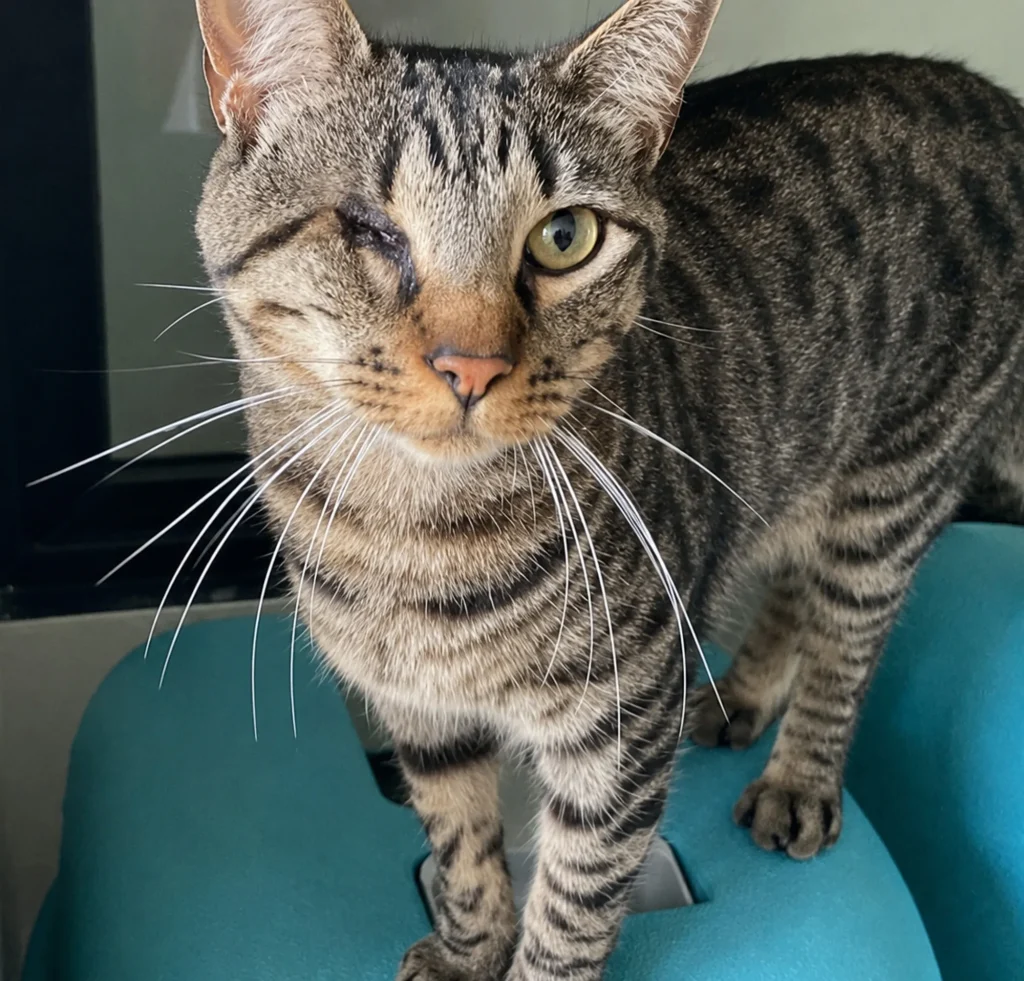
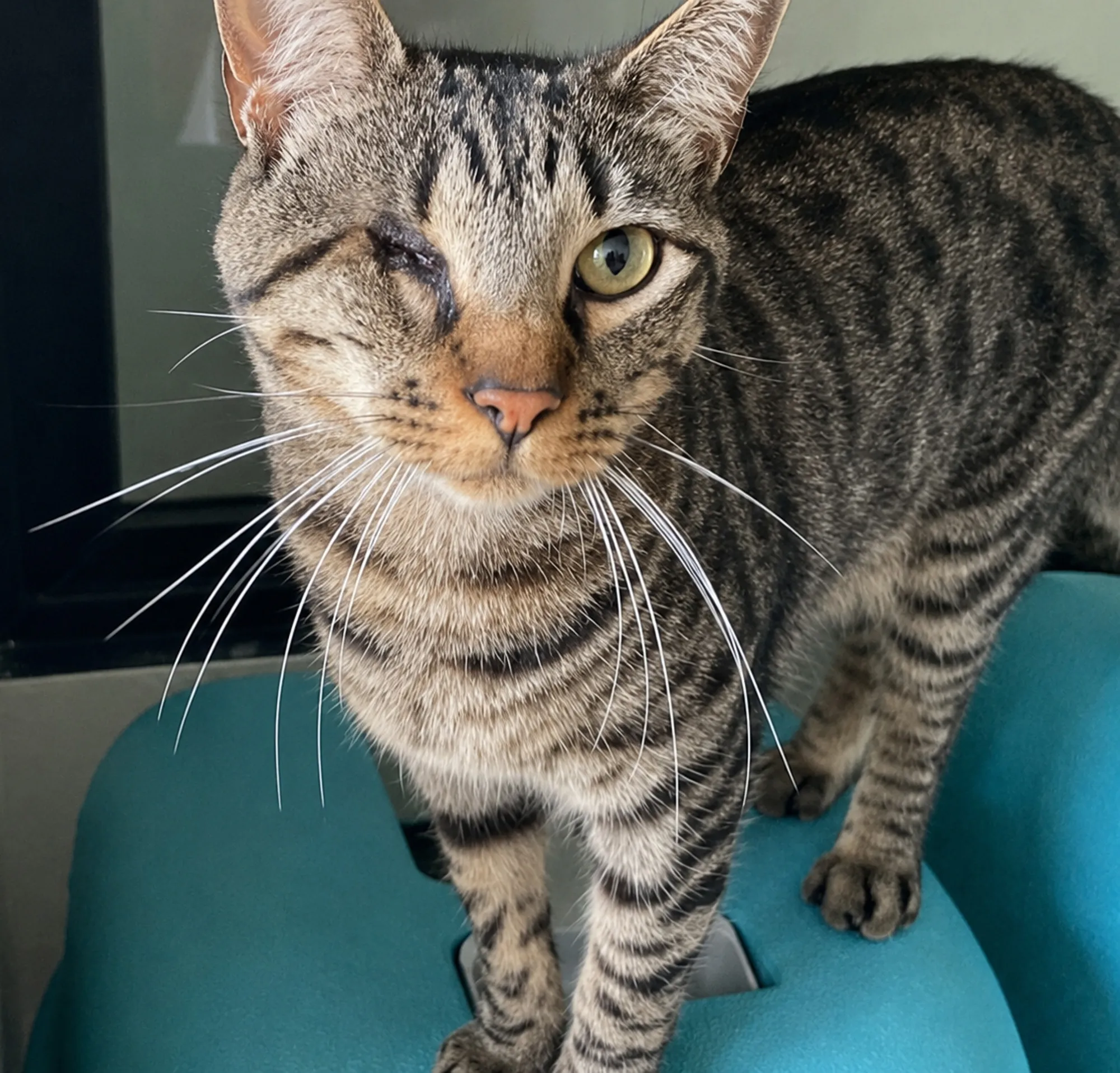
Radar Kitty
Of all the cats at Los Mininos, Radar Kitty may be the one most clearly waiting for a person of his own.
Radar is 4 years old, healthy, and a little on the small side. He is missing one eye, but that does nothing to diminish his spirit. He is the cat who comes to greet you when you walk into the room. If you sit down, he wants to sit with you. He is affectionate in a direct, wholehearted way that is hard to miss.
He gets along reasonably well with other cats and with Judy’s small dog, though he can sometimes act a bit like a bully. Judy suspects that comes less from aggression and more from insecurity. Radar seems like a cat who wants what many of us want: one person, one home, one place where he fully belongs.
He is more than just a companion animal. He is the kind of cat people remember.
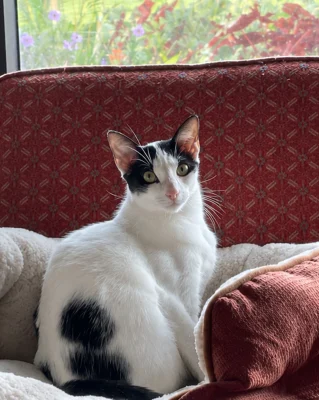
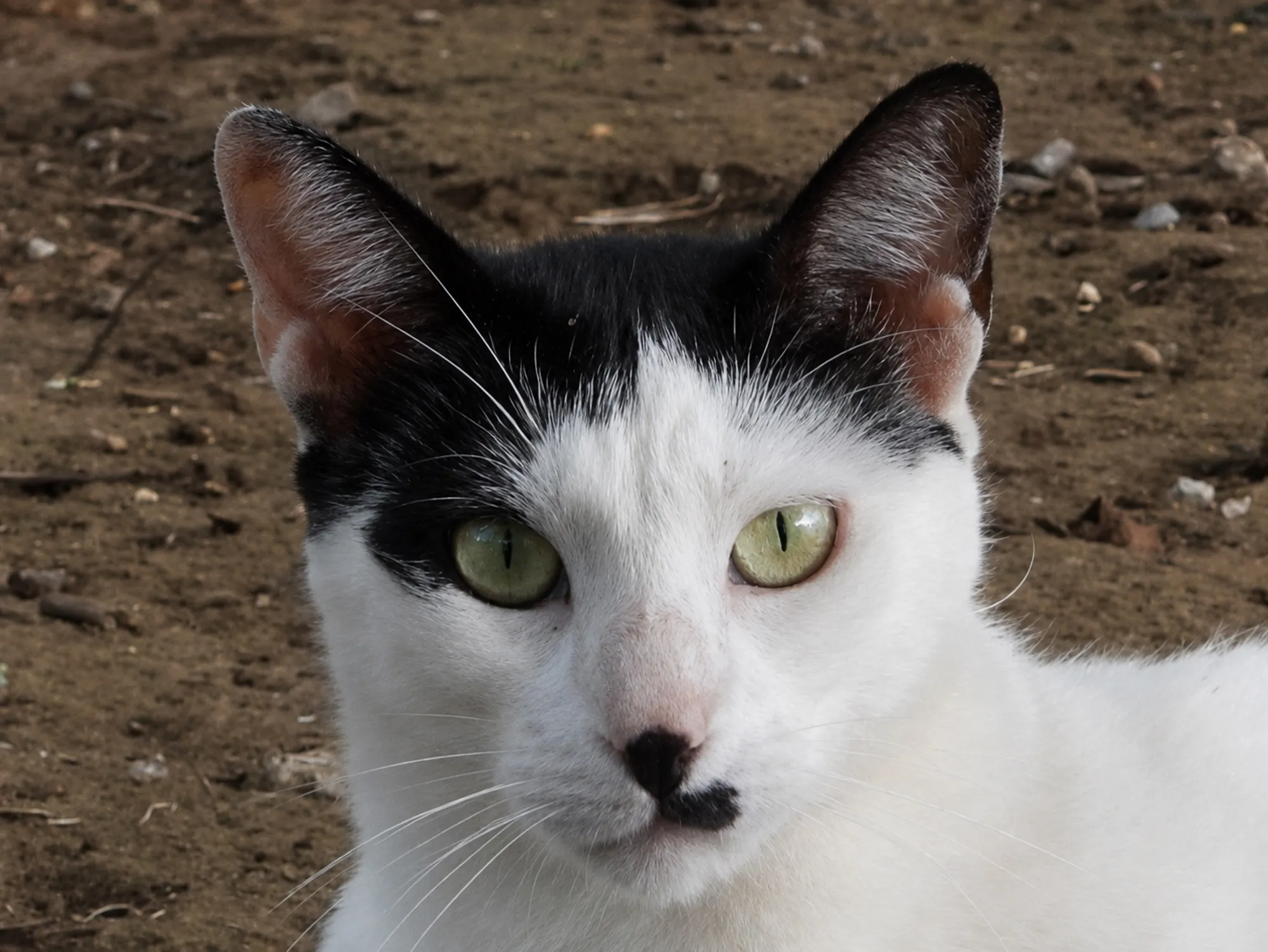
Chuleta
Chuleta is a 3-year-old cat who was born at Los Mininos and has lived a more sheltered life than some of the others. She is healthy, playful, affectionate, and a little shy at first, though Judy says she warms up quickly when she senses she is with true cat people.
She gets along well with other cats and with Judy’s small dog. Her ideal home is stable, calm, and low-key. She is not looking for chaos. She is looking for comfort.
And if comfort is what you want too, Chuleta may be hard to resist. Judy describes her as a world-class snuggler. She is the kind of cat who turns an ordinary nap into a shared activity and a quiet afternoon into something better.
For the right person, Chuleta would make a deeply lovely companion.
If one of these cats sounds like the right fit, Los Mininos would love to hear from you. Adoption is one of the most meaningful ways to support the sanctuary, and for these cats, it means far more than finding a house. It means finding their person.
How to Contact Los Mininos Cat Sanctuary
For adoptions, donations, Cat Hotel reservations, or general information, contact Los Mininos Cat Sanctuary:
- Email: [email protected]
- Cat Hotel reservations or visits: 6415-4018 (Judy)
- Spanish and English: 6860-6599 (Ivan)
- PayPal: Use [email protected]
For bank transfer information or tax-deductible donation arrangements, contact Los Mininos directly. The sanctuary also has a website and a Facebook page under Los Mininos Cat Sanctuary.
Since 2003, Boquete has changed significantly, but Los Mininos continues to show how people build a community: by recognizing suffering and choosing to take action.