
Article written: October 23, 2026
What is Panama’s new Working Holiday visa? It is a new short-stay visa that lets foreigners aged 18 to 30 live in Panama for up to 12 months and work temporarily during their stay. It is only available to citizens of countries that have signed a bilateral Working Holiday agreement with Panama.
The visa was created by Executive Decree No. 21 of October 13, 2026, issued by the Ministry of Public Security and published in Official Gazette No. 30634-B on October 14. Its official name is the Visa de Corta Estancia en calidad de Turista Participante del Programa Vacaciones y Trabajo, and it falls under the non-resident immigration category.
Who Can Apply for Panama’s Working Holiday Visa?
Applicants must be between 18 and 30 years old on the date they apply, and they must be nationals of a country with a Working Holiday agreement in force with Panama. The program is based on reciprocity, which in Working Holiday agreements generally means young Panamanians can apply for a similar visa in the partner country.
The decree itself does not list the eligible countries. The National Immigration Service (Servicio Nacional de Migración) stressed that the benefit does not apply to all nationalities. According to Metro Libre’s coverage of the agency’s announcement, Japan was the one country it named. A full list has not been published.
Applicants also need a certificate from Panama’s Ministry of Foreign Affairs confirming that they are participants in the program, which is the practical way to confirm whether a country qualifies.
What Are the Requirements?
Applications are filed in person with the Special Projects Office (Oficina de Proyectos Especiales) of the Servicio Nacional de Migración. Article 4 of the decree requires eight items:
- A visa application submitted personally by the applicant.
- A copy of the passport, certified by a Panamanian notary public.
- Three passport-size photos.
- An apostilled birth certificate proving the applicant is 18 to 30.
- A certificate from the Ministry of Foreign Affairs confirming participation in the Working Holiday program.
- Health insurance covering the entire stay in Panama.
- Proof of sufficient funds to cover living expenses.
- An apostilled criminal record certificate from the applicant’s home country.
The published coverage does not mention an application fee or a minimum dollar amount for the proof of funds.
Can Working Holiday Visa Holders Work in Panama?
Yes, but the visa alone is not enough. Article 5 allows temporary work during the stay, and Article 6 requires a separate work permit from the Ministry of Labor (Mitradel) before the holder starts any job.
The work must be temporary. Permanent employment is not allowed under this visa.
How Long Can You Stay, and Can You Extend It?
The visa is granted for a maximum of 12 months, and that period cannot be extended. When it ends, the holder must leave Panama.
Holders also cannot switch to another immigration category from inside the country, and the visa does not lead to permanent residency. Breaking the rules can lead to cancellation of the visa and deportation.
Panama’s Working Holiday Visa at a Glance
| Feature | Working Holiday visa |
|---|---|
| Age | 18 to 30 at time of application |
| Who qualifies | Nationals of countries with a bilateral agreement with Panama |
| Maximum stay | 12 months, no extension |
| Work allowed | Temporary only, with a separate Mitradel work permit |
| Path to residency | None; holders must leave when it expires |
| Change of status in Panama | Not allowed |
| Where to apply | Special Projects Office, Servicio Nacional de Migración |
For people who want to stay long term, Panama’s residency programs work very differently. The Pensionado, Friendly Nations and Qualified Investor routes can lead to permanent residency, while the Working Holiday visa is designed as a one-time cultural exchange.
Why Panama Is Adding This Visa
According to Migración, the goal is to promote cultural exchange and youth mobility based on reciprocity. Working Holiday programs are common in countries such as Japan, Australia and Canada, where young travelers fund part of their trip with seasonal or short-term jobs.
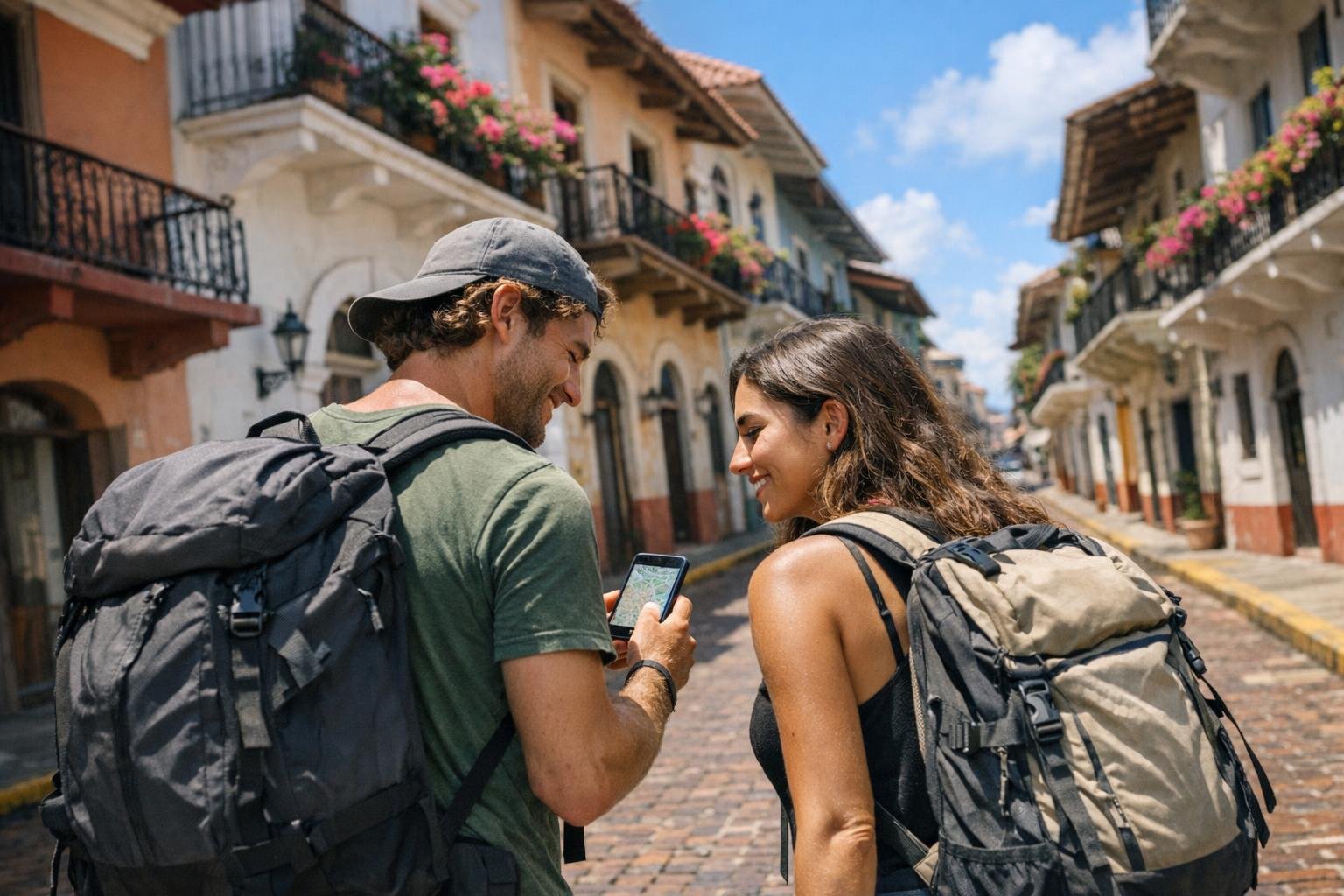
For Panama, the program could bring more young visitors to popular destinations such as Bocas del Toro, Boquete and Casco Viejo in Panama City, where hospitality and tourism are central to the local economy.
The real impact will depend on how many countries sign agreements with Panama and how quickly Migración and the Foreign Ministry begin processing applications. For now, anyone interested should confirm with the Ministry of Foreign Affairs that their country takes part before gathering the paperwork.
Immigration rules and individual circumstances can vary. This article is intended as general information and should not replace advice from a qualified Panamanian immigration attorney.