
Article written: October 23, 2026
How will the earthquake affect tourism and real estate in Panama? The short-term effect is likely to be a dip in bookings and slower buyer decisions, mostly in the areas that suffered visible damage. The longer-term picture is more balanced. Most of the country’s tourism infrastructure is operating, the government has kept its growth forecast, and reconstruction spending is expected to add activity to the economy.
The magnitude 7.7 earthquake struck on October 9, 2026, with its epicenter in the Azuero Peninsula. Damage was concentrated in the central provinces of Herrera, Los Santos, Veraguas and Coclé, according to Panama’s civil protection agency, SINAPROC, and government recovery reports. No deaths were reported.
How Much Damage Did the Earthquake Cause to Homes?
As of October 18, SINAPROC had evaluated 8,403 homes, housing about 27,516 people. Its preliminary count breaks down as follows:
| Damage level | Homes |
|---|---|
| Total damage | 2,081 |
| Moderate or partial damage | 5,137 |
| Light or minor damage | 1,185 |
The housing ministry, MIVIOT, had inspected 9,391 homes by October 21. Families still waiting for an inspection can register through the Panamá Conecta website or by calling 520.
Which Buildings Were Most Affected?
The heaviest losses fell on vulnerable communities, often in homes built with basic or improvised materials. Ramiro Vargas, vice dean of civil engineering at the Universidad Tecnológica de Panamá, warned after the quake that older homes and buildings put up without technical oversight are the ones most likely to be seriously damaged or collapse.
That distinction matters. The damage does not mean Panama’s tourism sector or housing market as a whole is unsafe. In most cases, the serious problems were concentrated in specific communities and specific structures.
Panama City felt the shaking but came through largely intact. Casa Solution looked at why the capital’s towers held up and what engineers say about future risk.
Will the Earthquake Hurt Tourism in Panama?
Probably in the short term, and mainly because of perception. Travel decisions often respond to headlines more than to the actual level of damage. Some visitors have already canceled bookings, and images of damaged beachfront businesses in areas such as Playa Blanca, including the collapse of Salina Bar, can give the impression that whole regions are unsafe.
On the ground, most of the tourism system is working. The Panama Canal kept operating normally, and Tocumen International Airport reopened shortly after a brief suspension on the day of the quake. The national tourism chamber, Camtur, said 90% of the country’s hotels were active, with average occupancy of 67%.
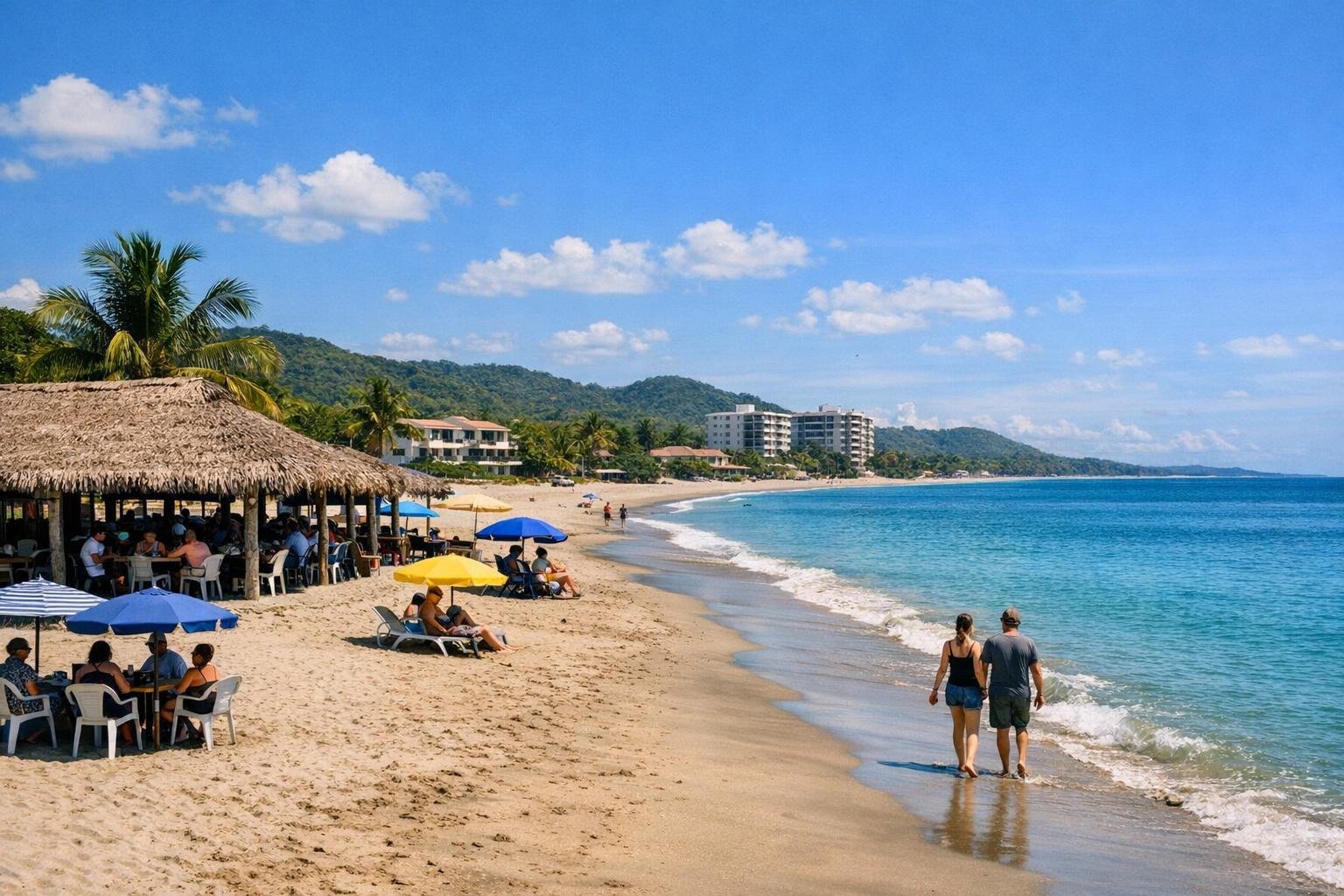
The impact will likely vary by region rather than hit the whole country equally. Panama City, Bocas del Toro, Boquete and the Caribbean coast remain open and receiving visitors. Panama also came into October with momentum: more than 2 million international visitors arrived between January and July 2026. Read more about tourism’s share of the economy and how hotels are doing after the quake.
One of the best ways to help affected communities is to keep traveling. Tourism income supports hotels, restaurants, guides, drivers and small businesses, and unnecessary cancellations spread the economic damage well beyond the areas that were actually hit.
How Could the Earthquake Affect Panama Real Estate?
Tourism and real estate are closely linked. Many buyers first discover Panama on a vacation or an extended stay. If tourism slows for a few months, agents and developers may see fewer new inquiries, and buyers already considering a purchase may take longer to decide.
A temporary slowdown does not have to mean a long-term decline. Buyers who are seriously interested in Panama are unlikely to drop their plans because of one earthquake, especially when professional inspections are available.
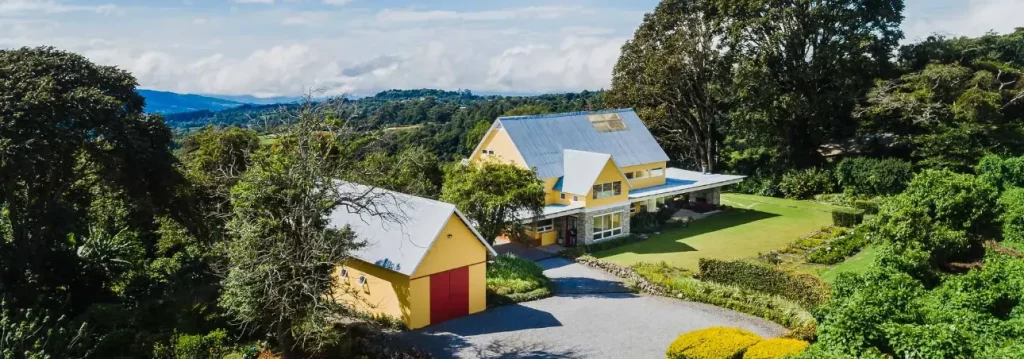
There is also useful information in what happened. A well-built home that came through a 7.7 earthquake without significant structural damage has shown a measure of resilience. That is no guarantee against every future event, but it says something real about the quality of its construction.
What Should Buyers Check Before Purchasing After the Earthquake?
A property inspection is more important than ever. The Panamanian Society of Engineers and Architects (SPIA) has stressed that the absence of visible damage does not replace a technical inspection. Before buying, ask a qualified engineer to review:
- The structure and foundations, including columns, beams and joints
- Retaining walls and any hillside or slope construction
- Electrical and water systems
- Drainage and emergency access
- Building permits, approved plans and the age of the construction
Each property should also be judged on its own location, construction quality and exposure to risk. A sound decision rests on the specific property and its documentation, not on general headlines.
Could Reconstruction Help Panama’s Economy?
Yes. Repairs to roads, bridges, schools, public buildings and water systems will increase government spending in the affected provinces. President José Raúl Mulino announced a reconstruction plan for damaged homes and infrastructure, including new homes designed to resist earthquakes.
That work brings money into local economies and creates demand for contractors, engineers, construction workers, building materials and transportation. Areas that receive repaired or upgraded roads may become more accessible over time, which can support tourism, local commerce and the value of nearby properties.
The government is not changing its outlook. Finance Minister Felipe Chapman said the official 2026 growth estimate remains at 4.5%, with the possibility of reaching 5.5%, even though the earthquake will hit some activities in the short term.
The event may also push developers, homeowners, buyers and local authorities toward better building practices, with more attention to structural engineering, drainage, hillside construction and the quality of materials.
What Is the Outlook for Panama After the Earthquake?
In the short term, expect fewer tourism bookings, slower buyer decisions and more caution from investors. Over the longer term, reconstruction spending, infrastructure upgrades and stronger building standards could support a more balanced recovery.
Panama’s fundamentals have not changed: its location, international connectivity, natural attractions, established tourism industry and steady demand for coastal and lifestyle properties. The responsible approach is to acknowledge the damage, support the affected communities, inspect properties carefully and keep making decisions based on facts.
Buying in Panama After the Earthquake?
If you are considering a property, Casa Solution can help you evaluate specific homes, coordinate professional inspections and understand the conditions in each area before you decide.