
Panama published Law 541 in the Official Gazette on July 7, establishing a new National Program for Tourism and Heritage Development called “Paraísos del Istmo” (Paradises of the Isthmus). The law creates a formal certification process that lets Panamanian communities with strong historical, cultural, natural, or gastronomic value apply to become designated tourism destinations, opening the door to coordinated government support that most small towns have never had access to.
The bill was proposed by independent deputy Roberto Zúñiga, who has framed it as a way to spread tourism’s economic benefits beyond Panama’s already-established hotspots and into communities that have had the raw material for tourism without much of the funding or planning needed to develop it.
What the Certification Actually Requires
To become a certified “Paraíso del Istmo,” a community needs an inventory of its tourist, cultural, or natural attractions, a local tourism development plan, proof of heritage conservation measures, accessibility provisions for visitors with disabilities, and a clearly mapped tourism zone. Certification lasts five years and can be renewed.
The law does not create tax breaks or fiscal incentives for certified communities. What it does provide is a channel for public investment covering things like signage, information centers, heritage restoration, service-provider training, destination marketing, and improvements to the basic services visitors actually notice, like water, roads, and public facilities.
The Model Panama Is Trying to Replicate
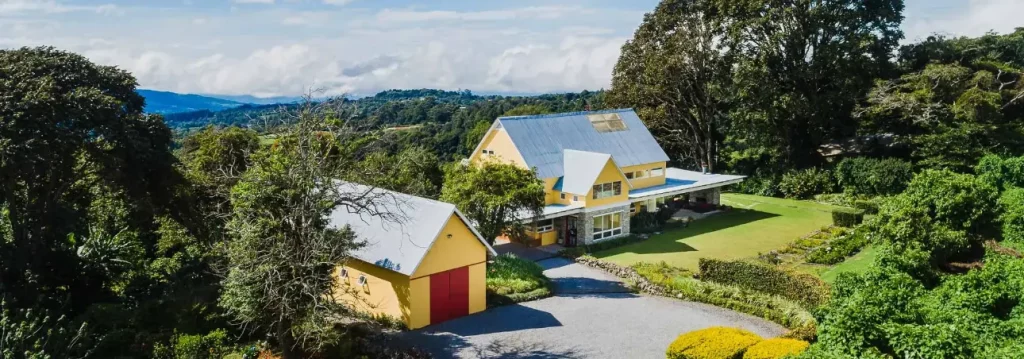
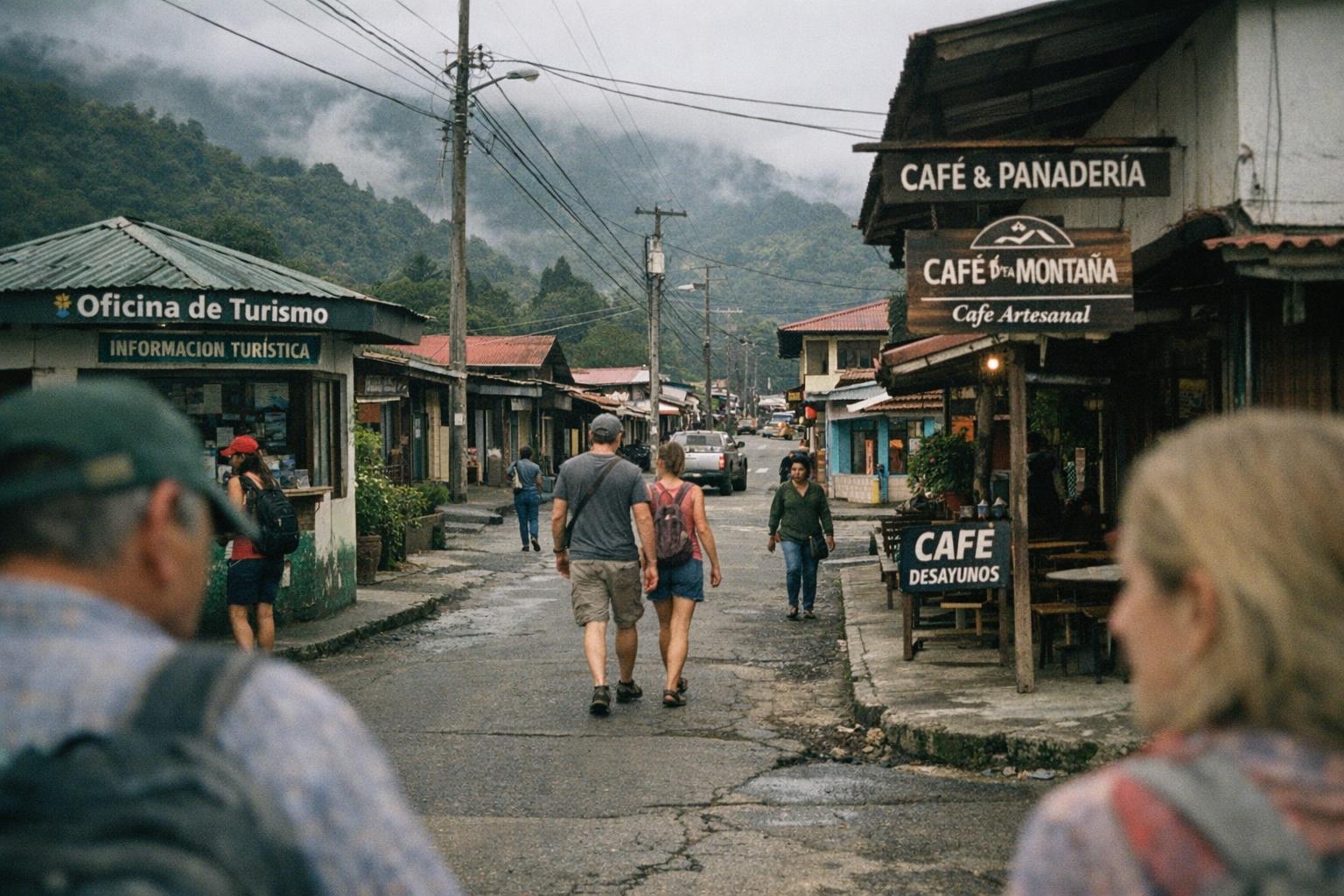
Zúñiga has been explicit about the reference point: small towns that turned a natural or cultural advantage into a sustained tourism economy, the way Boquete built an international reputation around its coffee, cool climate, and outdoor tourism. The new certification process gives other communities, particularly in the interior provinces that have historically drawn less investment, a formal path to try to do the same thing, with government backing behind the marketing and infrastructure piece rather than leaving it to word of mouth.
What It Could Mean for Property Owners
A tourism certification alone will not move property values, and the law is careful not to promise fast results. Certification just opens a five-year window for a community to build its case. But for buyers watching Panama’s interior, this is a signal worth tracking. Communities that go through certification and actually invest in infrastructure and promotion tend to follow the same slow-build pattern that turned Boquete into a real estate market of its own: better roads and services first, then more visitors, then more long-term interest from buyers.
Communities in Boquete, where an established expat market already anchors demand, and in Coclé, home to long-running favorites like El Valle de Antón, are among the areas most likely to pursue certification given their existing tourism infrastructure and appeal.
Casa Solution Can Help
If you are watching how Panama’s interior tourism destinations are developing and want to understand what that could mean for property values in a specific community, Casa Solution’s team can help you make sense of it. Reach out to talk through your options.
Date written: July 9, 2026