
On July 23, at the inauguration of a renovated stadium in Colón, President José Raúl Mulino announced his government’s next major economic play: a new tourism incentives law aimed at pulling large-scale private investment into parts of Panama that tourism has mostly passed by. The bill itself is not public yet and is still moving through the Ministry of Economy and Finance, but the details that have come out over the past week give a real sense of what it is meant to do, and what it deliberately will not do.
What Mulino Actually Said
Mulino described the incentives as fiscal opportunities for those who make large investments in areas with a high shortage of tourism offerings or that remain undeveloped for tourism. He was specific about the funding source: the money behind this program will come from private companies, not the National Government. He also drew a clear line against the kind of program this will not be, calling it a serious law rather than one built on discretionary, multi-million dollar allocations to individual backers.
Replacing a Law That Expired Last Year
The new proposal is meant to fill a gap left by Law 80 of 2012, Panama’s previous tourism investment incentive framework, which expired on December 31, 2025. That law offered exemptions on import duties, property tax, dock and airport-related taxes, income tax, capital tax, and the FECI interest compensation fund, almost entirely aimed at hotel construction.
No Tax Credits This Time, and There Is a Reason Why
Gloria De León, administrator of Panama’s Tourism Authority (ATP), clarified this week that the new law will not include tax credits, only tax exemptions. That distinction matters more than it might sound. Under the previous administration, tax credit laws for tourism infrastructure, Law 122 of 2019 and Law 314 of 2022, drew heavy criticism after reports showed the credits could effectively let the State absorb up to 100% of a private project’s cost, later reduced to 60%. Both laws were eventually repealed, and several hotel projects were canceled in the fallout. The new proposal appears designed to avoid repeating that controversy.
Beyond Hotels: Marinas, Docks, and Wave Pools
Unlike Law 80, which concentrated almost entirely on hotel construction, the new law is expected to extend incentives to a wider range of tourism products, including marinas, docks, and even wave pools, essentially anything that gives visitors more reasons to come and stay longer. That broader scope reflects a bet that Panama’s next wave of tourism growth will come from experiences and infrastructure, not just additional hotel rooms.
Where the Money Is Supposed to Go
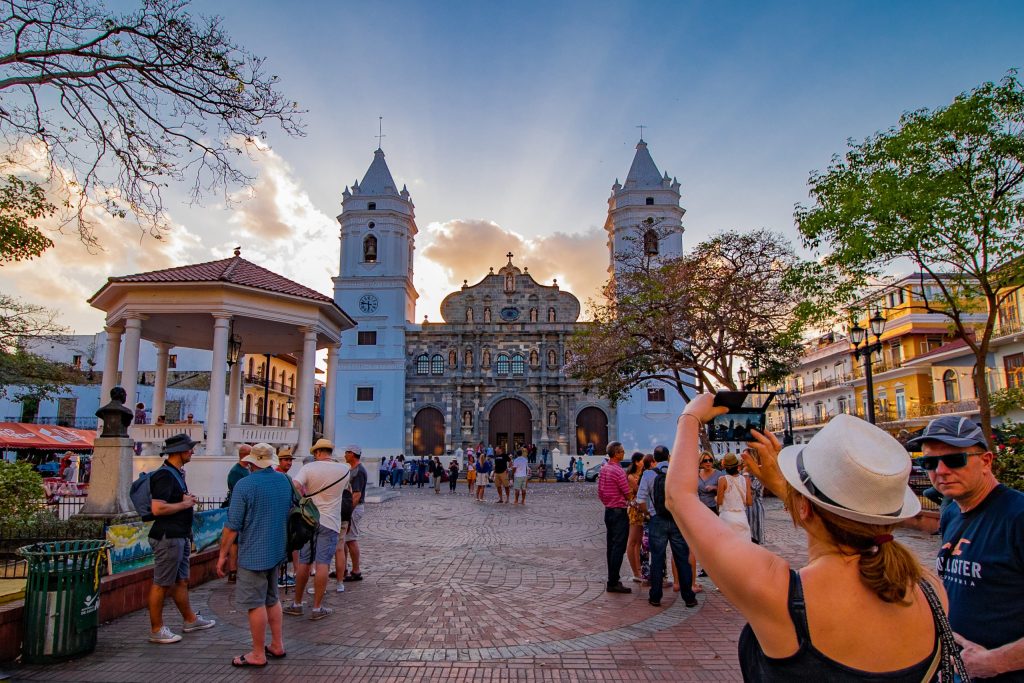
According to De León, the draft was shared with Panama’s National Tourism Council, which includes both private sector and government representatives, and the group agreed the law should be focused on promoting more investment in the country’s interior rather than in already-saturated hotspots. That priority lines up with Panama’s broader push this year to spread tourism development beyond its established centers, seen most clearly in Law 541, the Paraísos del Istmo program passed earlier in July, which creates a certification path for small communities to formally become tourism destinations. Together, the two laws form a two-sided push: one non-fiscal, built around certification and marketing support, and one fiscal, built around tax exemptions for private capital. The timing is not incidental. Panama received 1.75 million visitors in the first half of 2026, up 17.4% year over year, and officials clearly want more of that growth to land somewhere other than the country’s already-crowded destinations.
What’s Next
The proposal is currently at the Ministry of Economy and Finance and is scheduled to go before the Cabinet Council on August 4, after which it would move to the National Assembly for debate. Nothing here is law yet, and the details, especially exactly which regions qualify and which exemptions survive the legislative process, could still change.
What It Could Mean for Property Investors
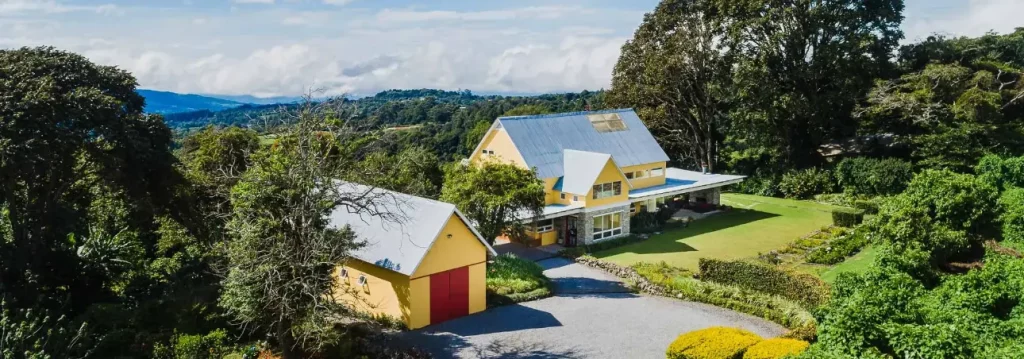
Incentive laws aimed at Panama’s interior have a track record worth paying attention to. Boquete is the clearest example in the country of a once-overlooked town turning sustained tourism investment into a real estate market of its own, and officials have said as much when discussing both this law and the Paraísos del Istmo program. Interior provinces like Coclé, home to long-running favorites like El Valle de Antón, and coastal regions still building out their tourism infrastructure are the kind of places this law is explicitly designed to reach. None of that pays off overnight, and a proposal still awaiting a Cabinet Council vote is not a reason to act today. But for buyers already watching Panama’s interior for the next Boquete-style story, this is exactly the kind of policy shift worth tracking closely as it moves through the Assembly.
Casa Solution Can Help
If you are trying to figure out which of Panama’s interior communities could benefit most from a law like this, Casa Solution’s team can help you separate early-stage speculation from a genuinely well-positioned opportunity. Reach out to start the conversation.